Meet the animal
Find its place in the living world, from distinguishing features to evolutionary relatives.
 AudCath Studios
 OpenOcean
YOUR MARINE BIOLOGY FIELD STATION
A whole ocean of understanding.
One remarkable animal at a time.
Free to explore. No ads. No account.
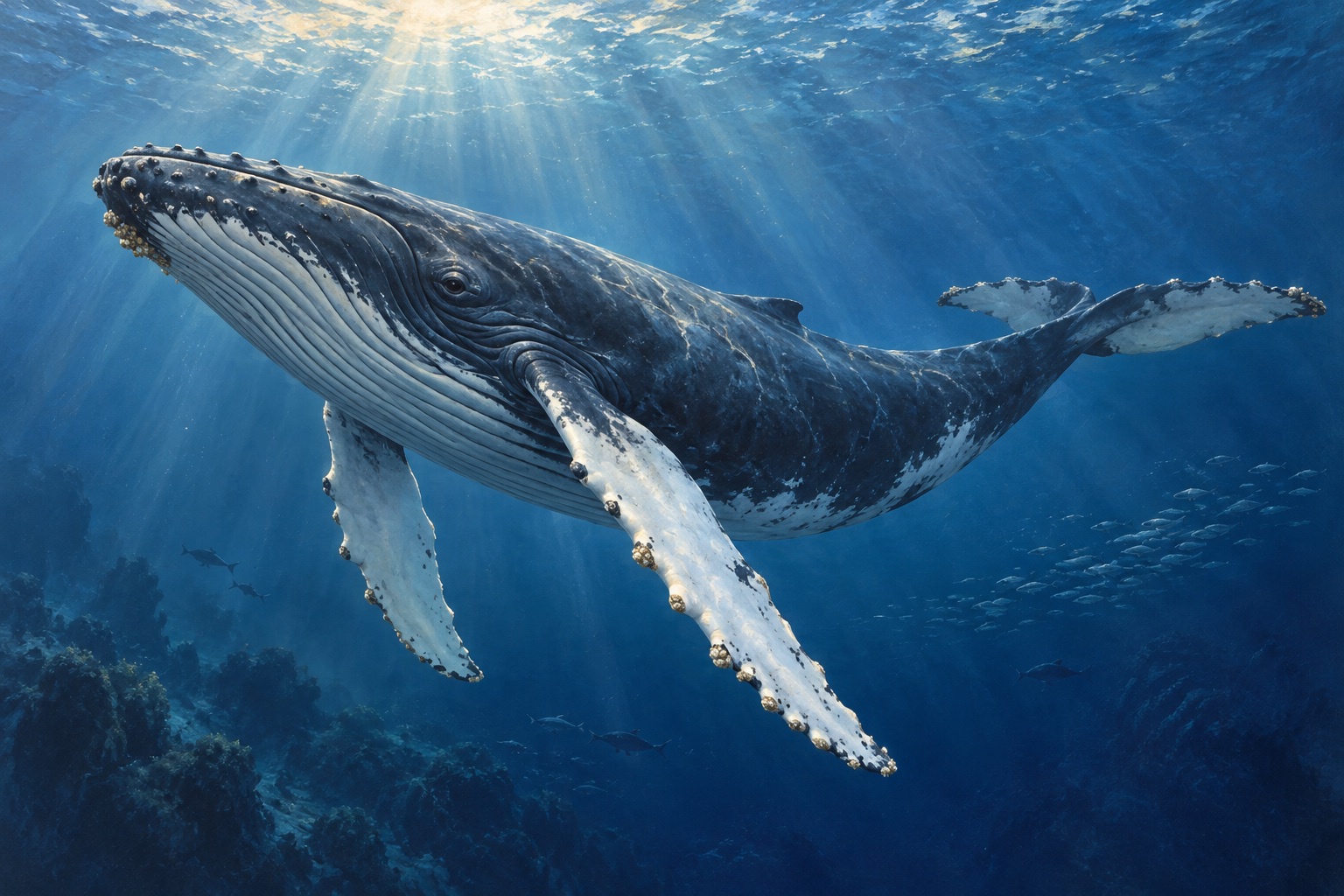
LOOK CLOSELY. UNDERSTAND MORE.
Go beyond an animal’s name. Follow the way its body works, how it grows, where it belongs, and how scientists learn about its life.
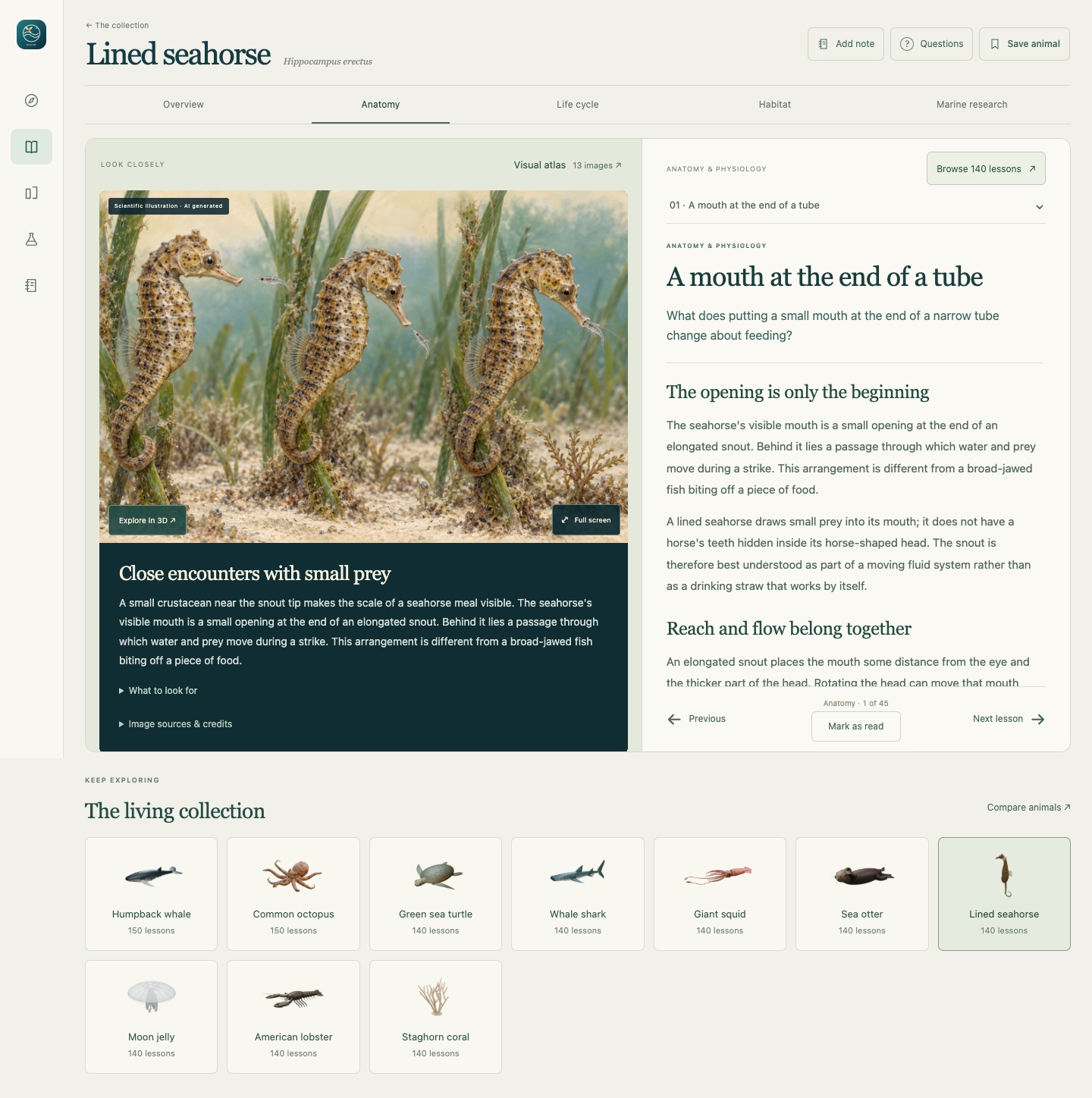
Find its place in the living world, from distinguishing features to evolutionary relatives.
Explore structure and function with visual studies and rotatable external-anatomy models.
Follow reproduction, development, growth, and the changing challenges of survival.
Connect an animal to its environment, its food, and the organisms that depend on it.
Examine methods, interpret teaching datasets, and ask what the evidence can—and cannot—tell us.
THE LIVING COLLECTION
From a sunlit reef to a deep-sea vent. Choose the animal that makes you curious.
Humpback whale ↗Mammal · Open ocean
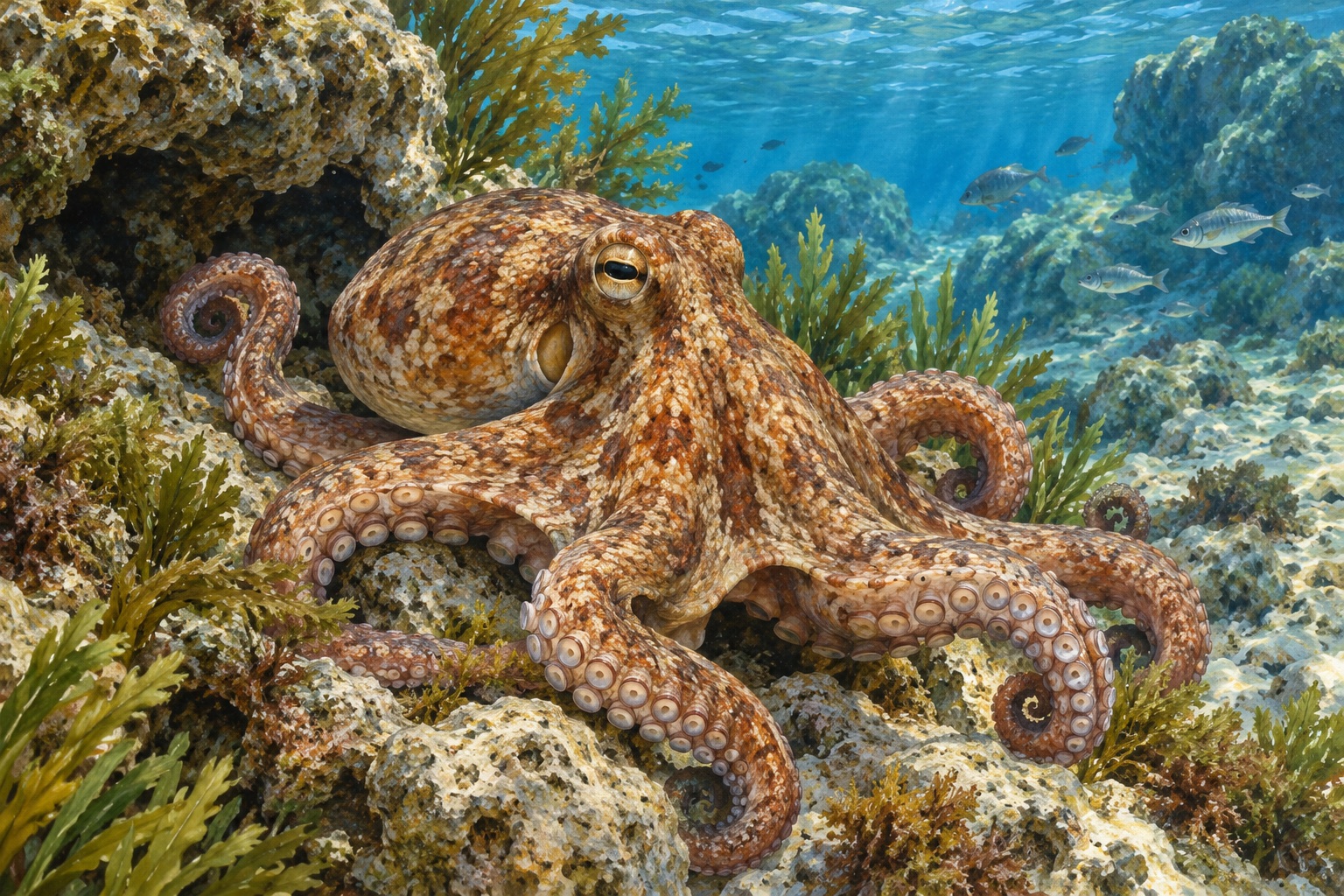 Common octopus ↗Cephalopod · Coastal waters
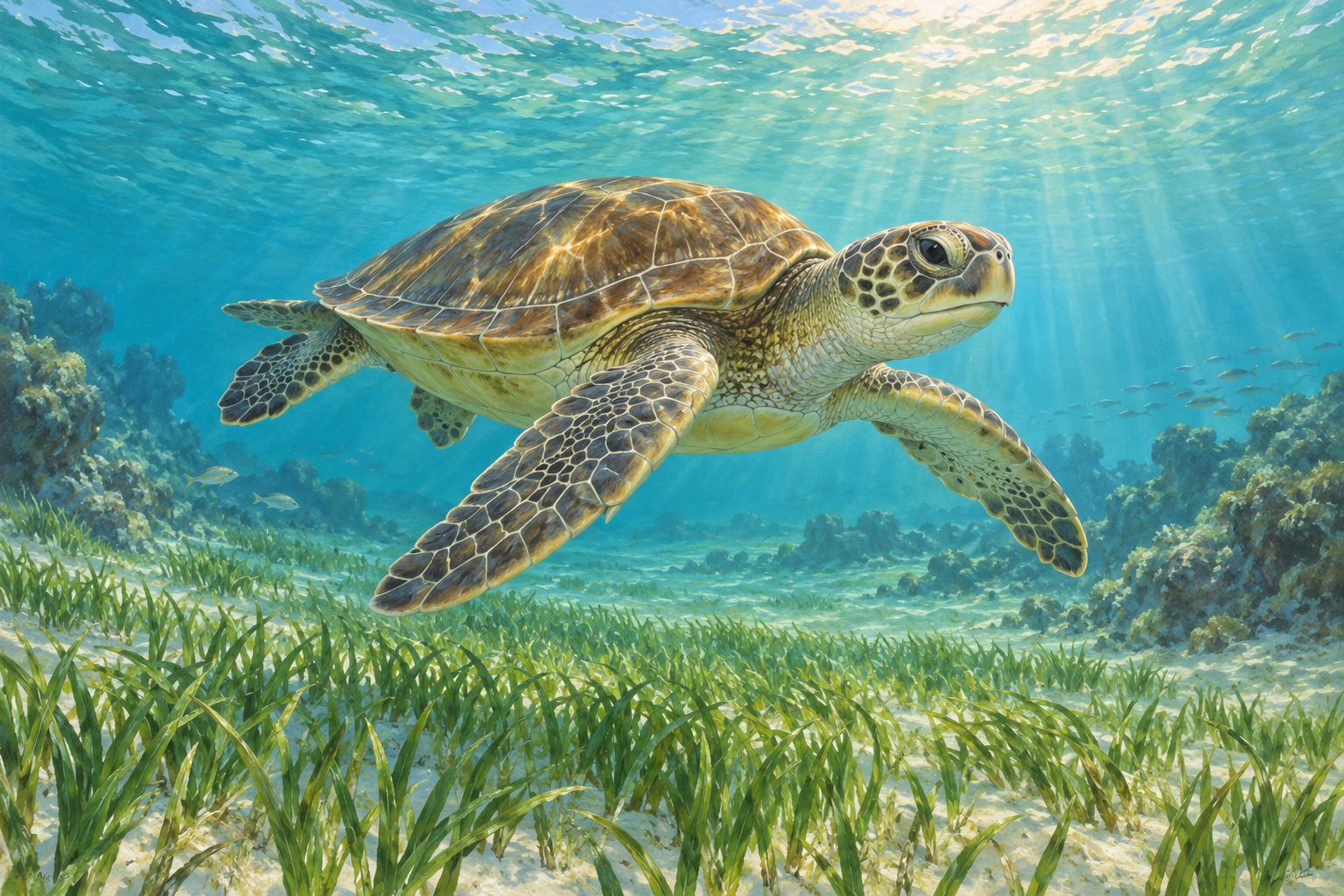 Green sea turtle ↗Reptile · Coastal waters
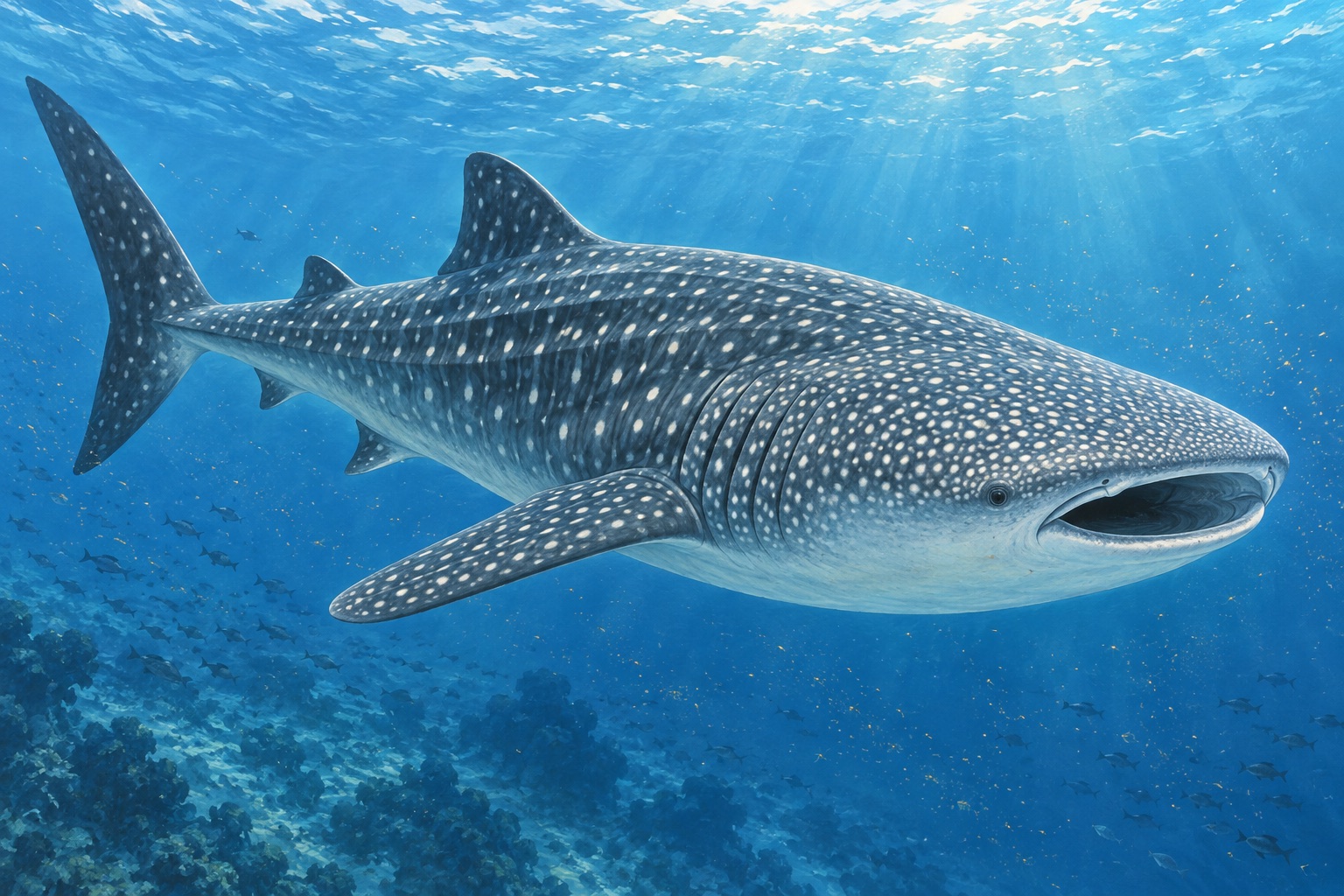 Whale shark ↗Fish · Open ocean
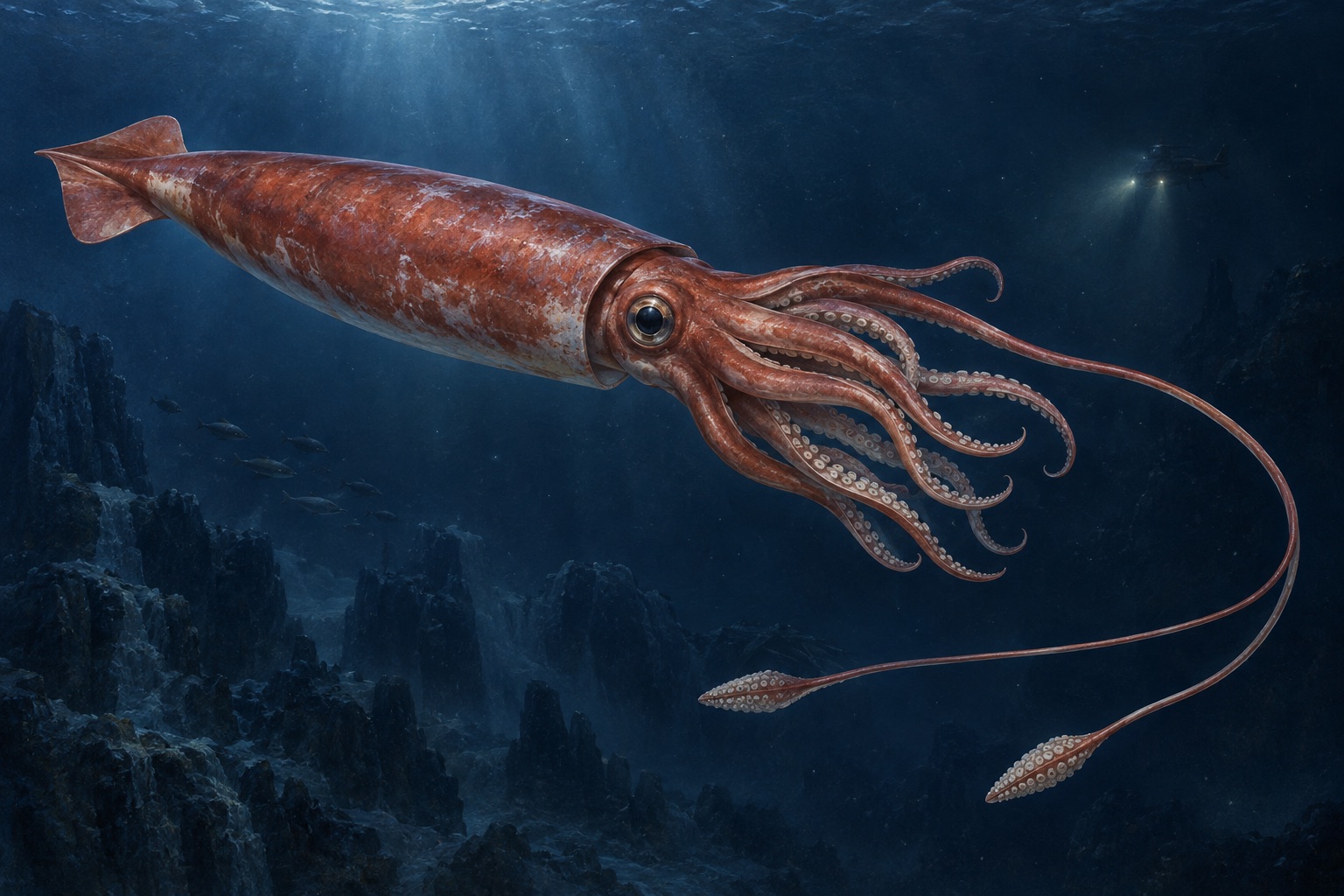 Giant squid ↗Cephalopod · Deep ocean
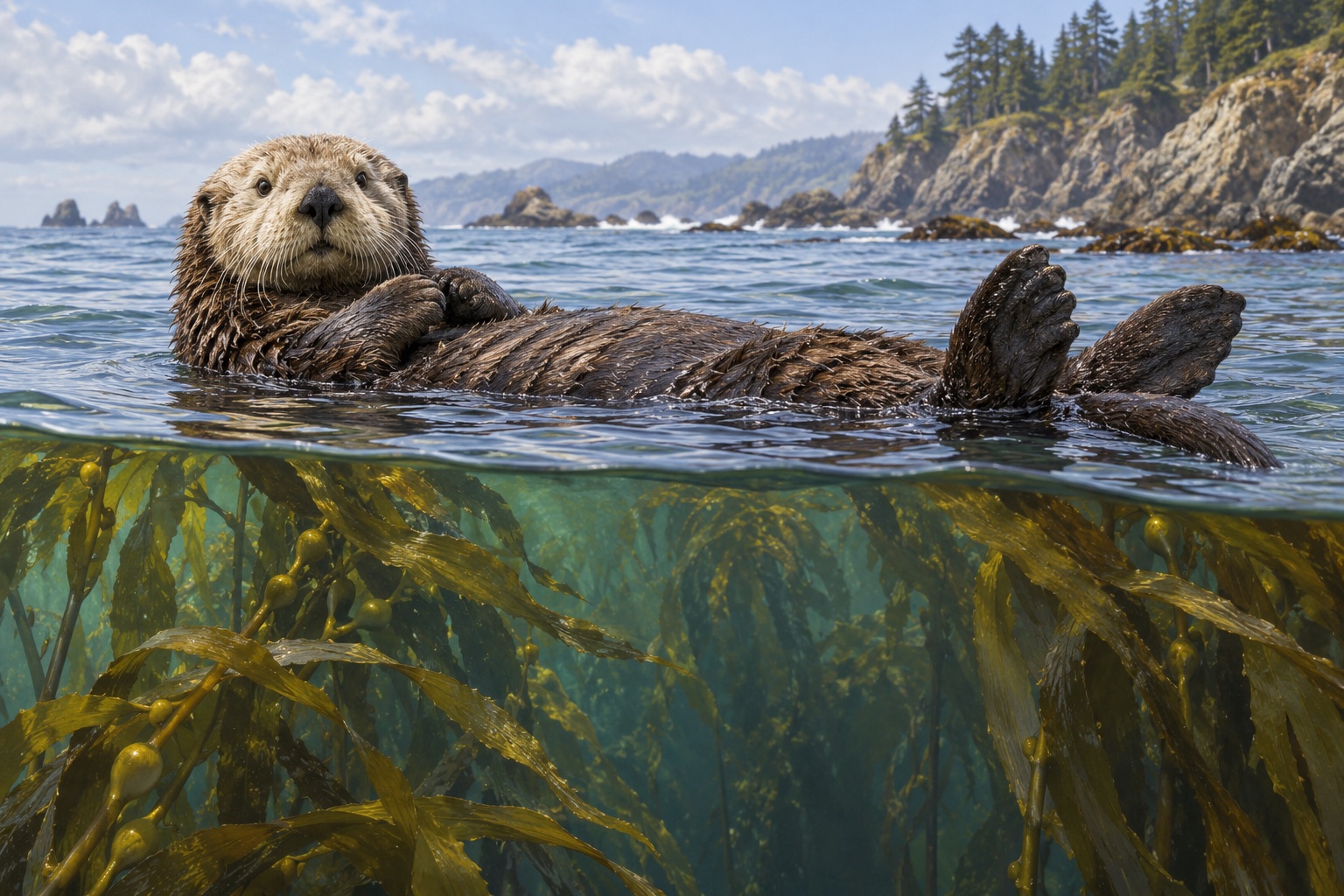 Sea otter ↗Mammal · Kelp forests
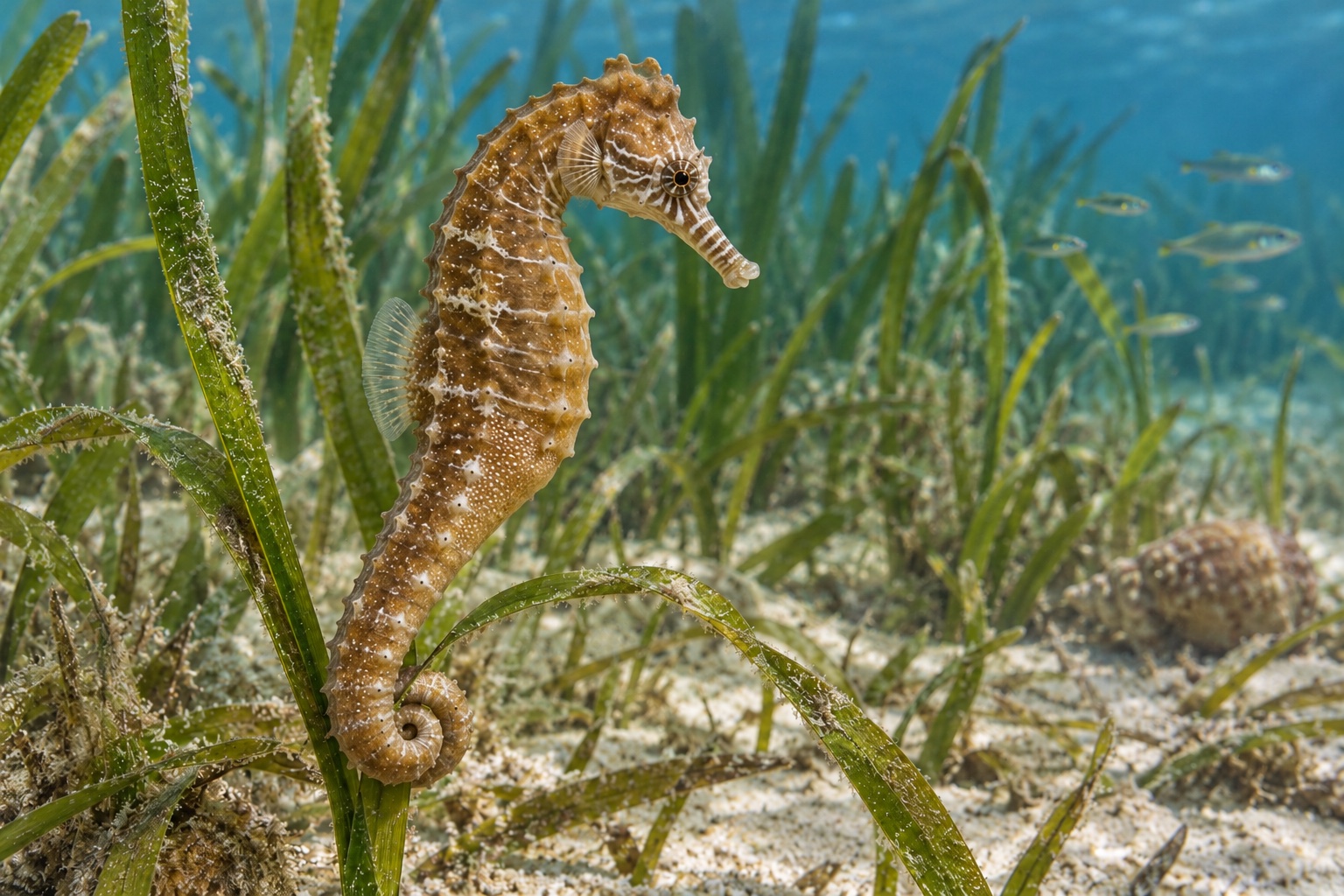 Lined seahorse ↗Fish · Shallow coastal waters
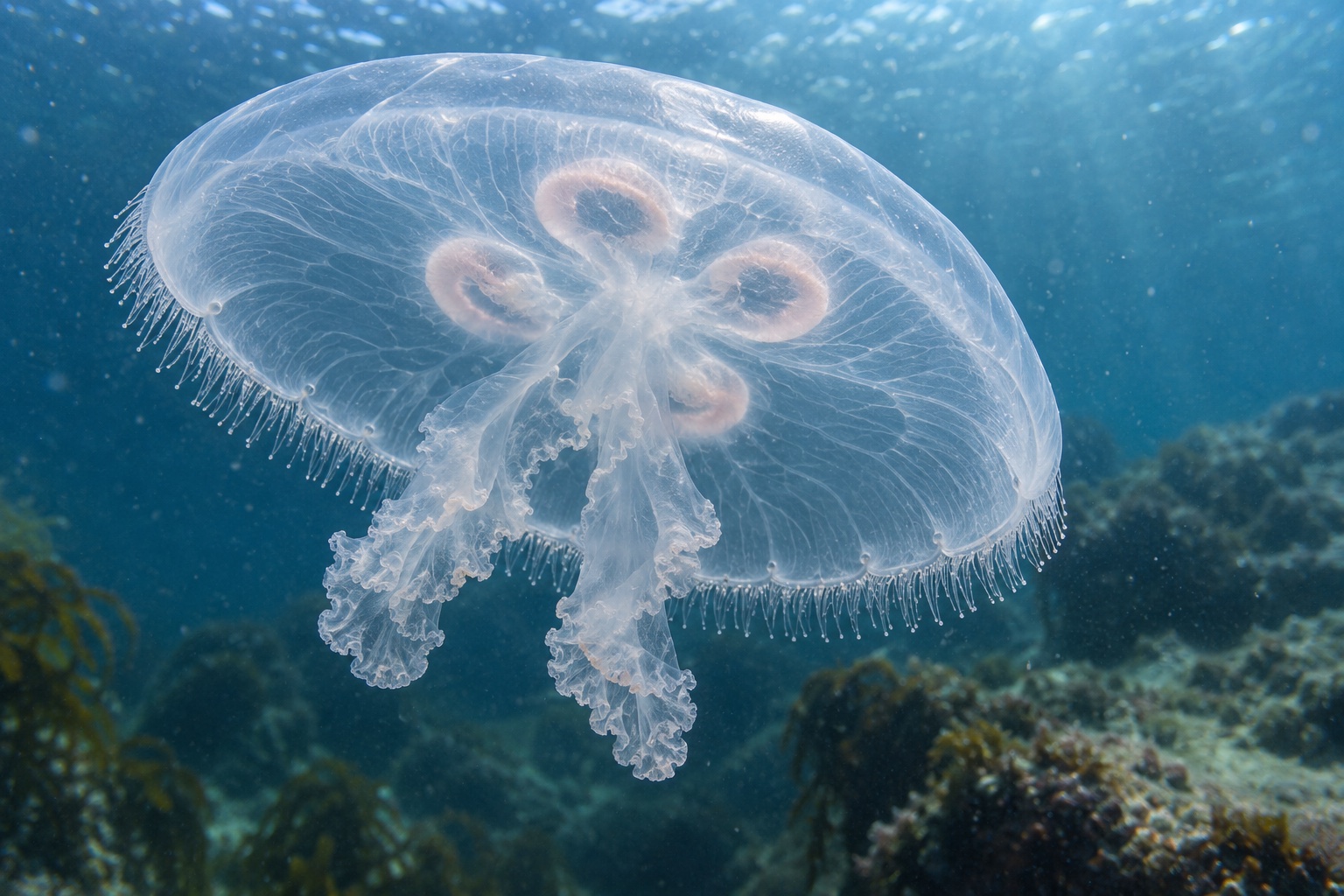 Moon jelly ↗Cnidarian · Coastal waters
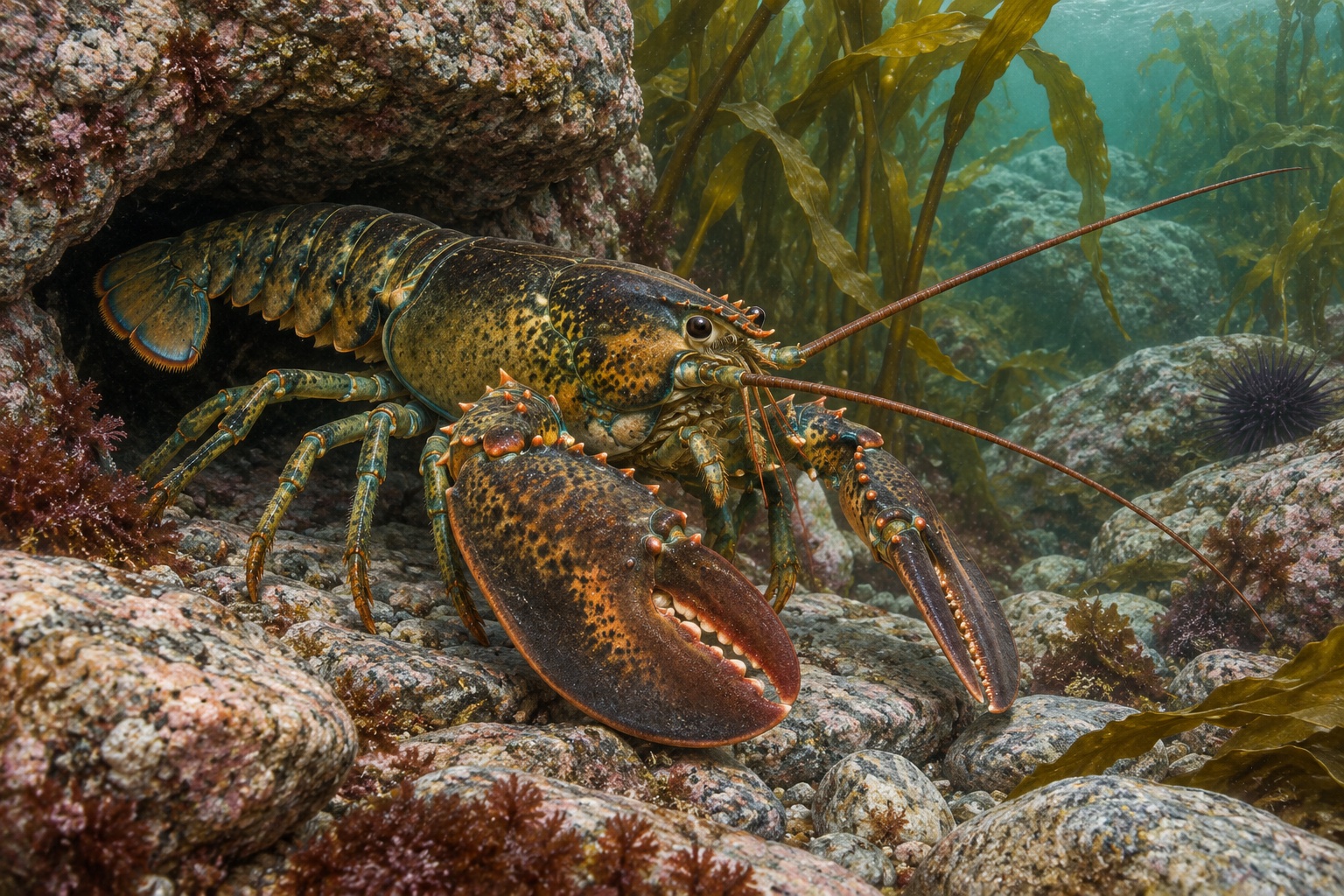 American lobster ↗Crustacean · Rocky seabeds
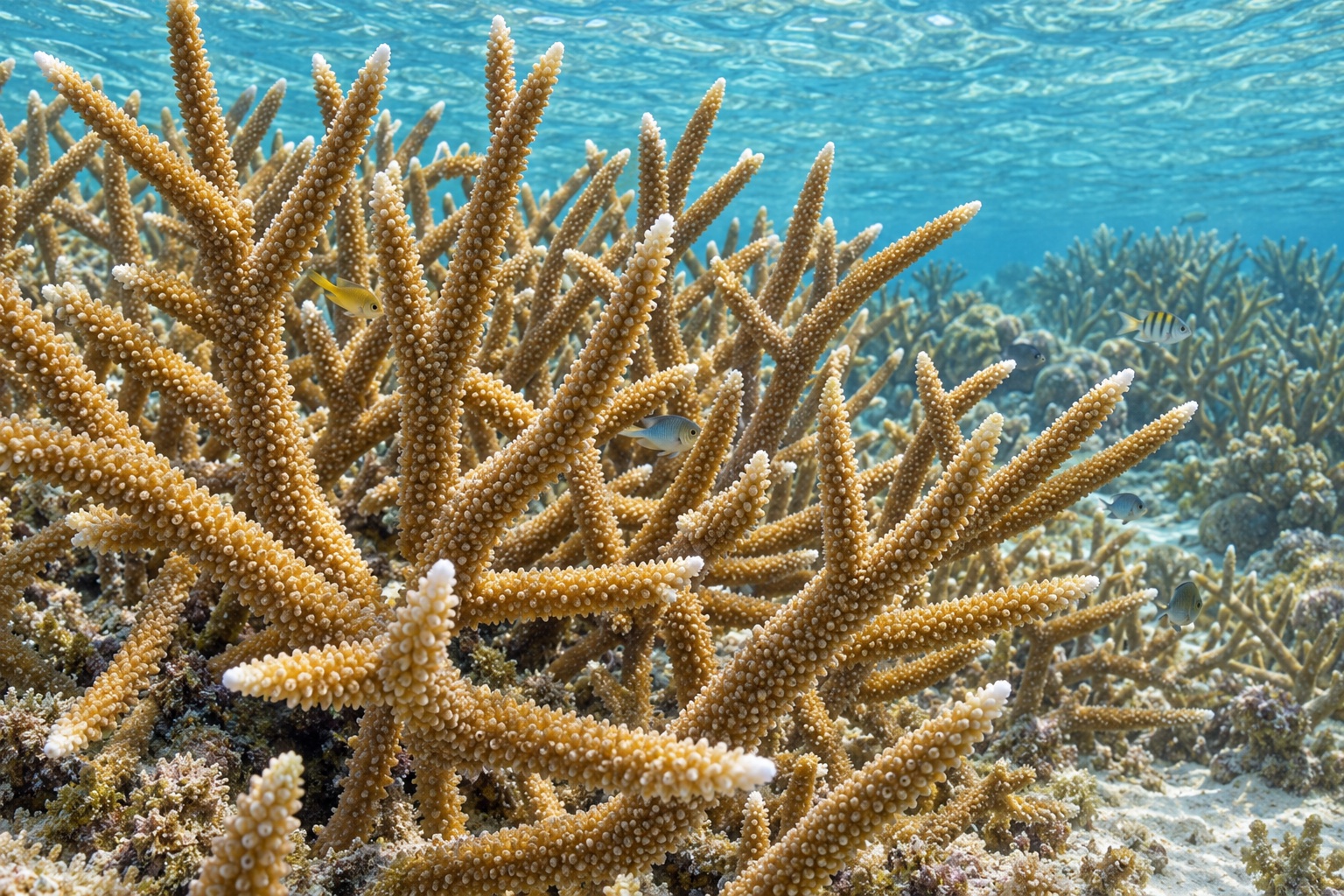 Staghorn coral ↗Cnidarian · Caribbean reefs
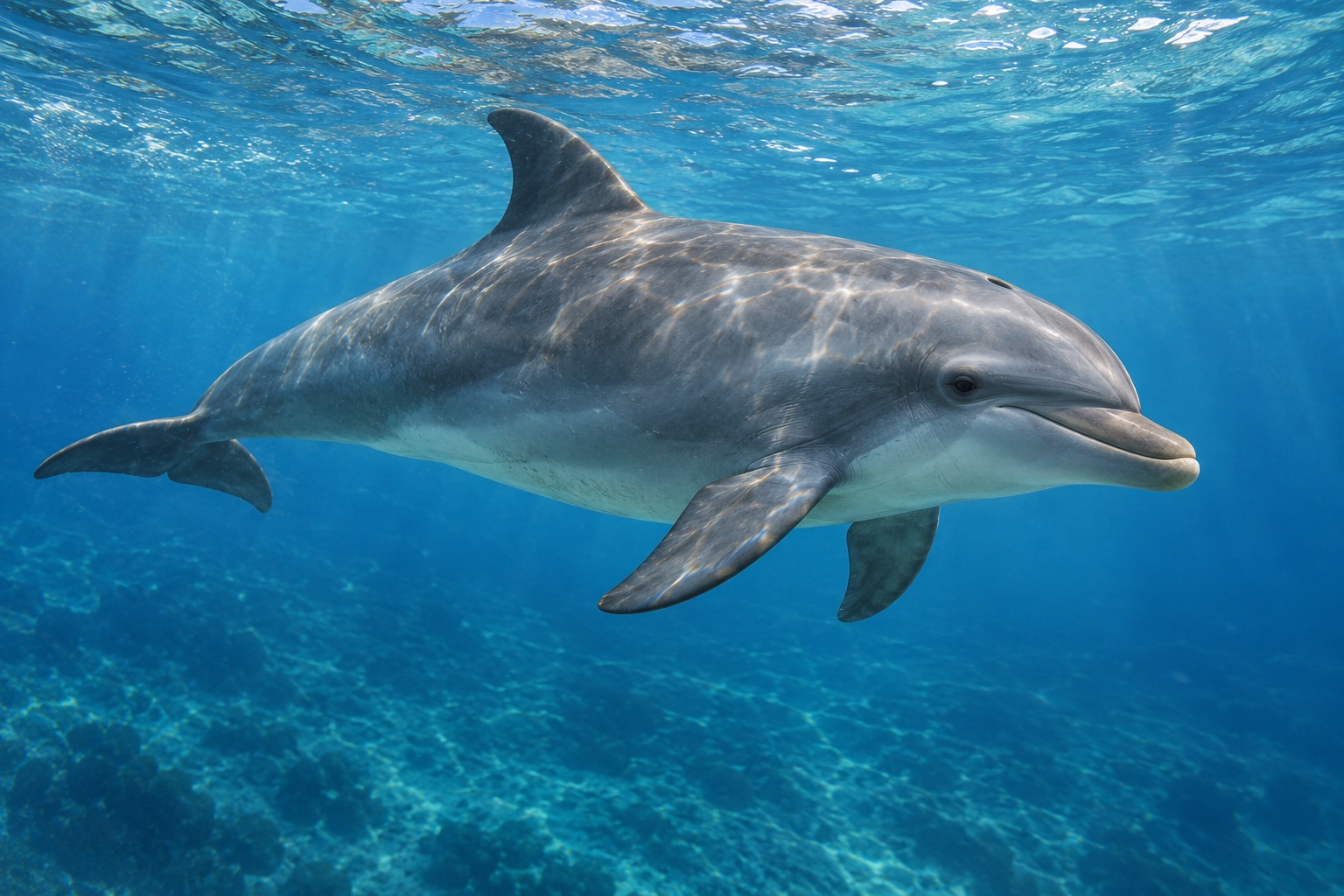 Common bottlenose dolphin ↗Mammal · Coastal and offshore waters
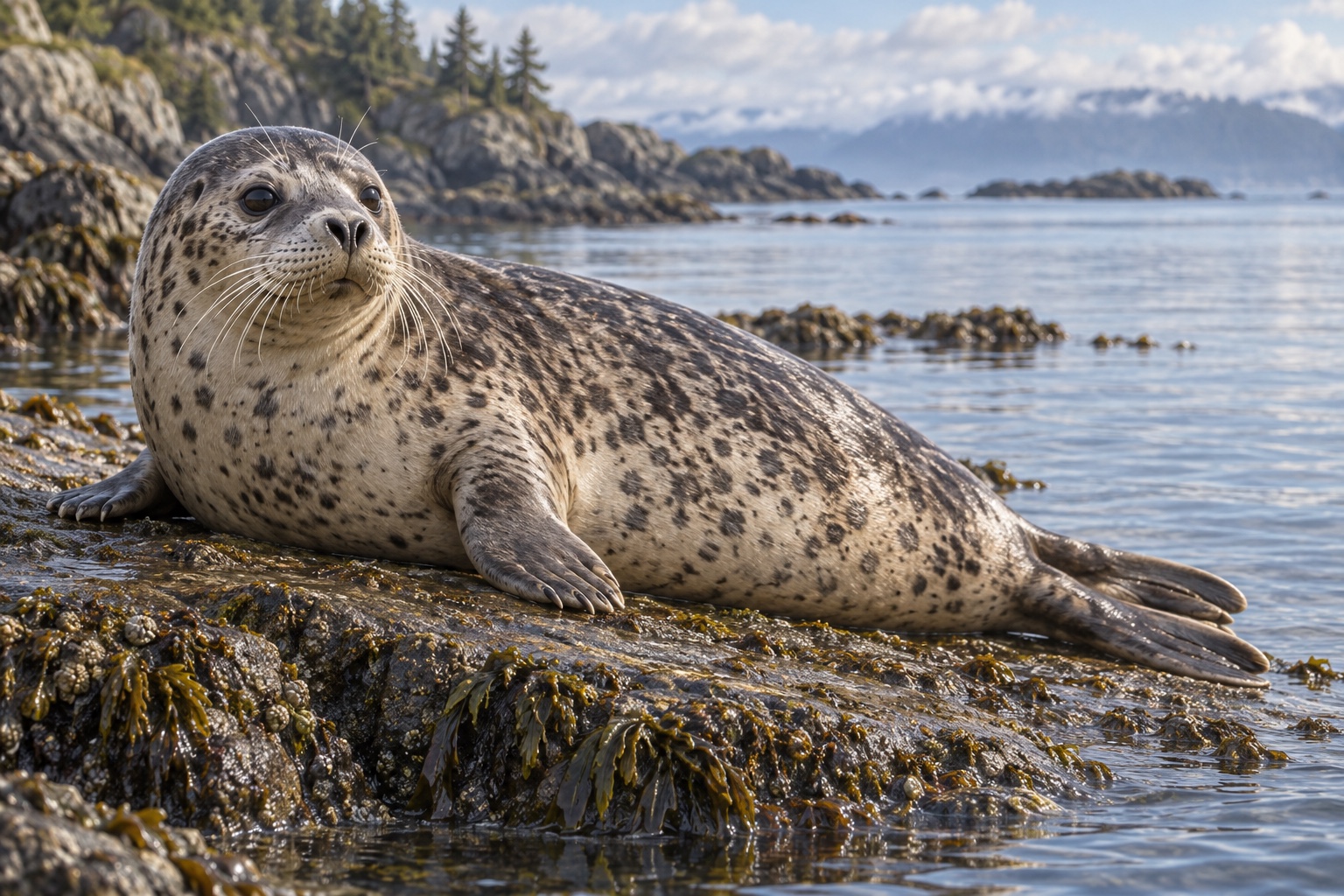 Harbor seal ↗Mammal · Temperate coasts
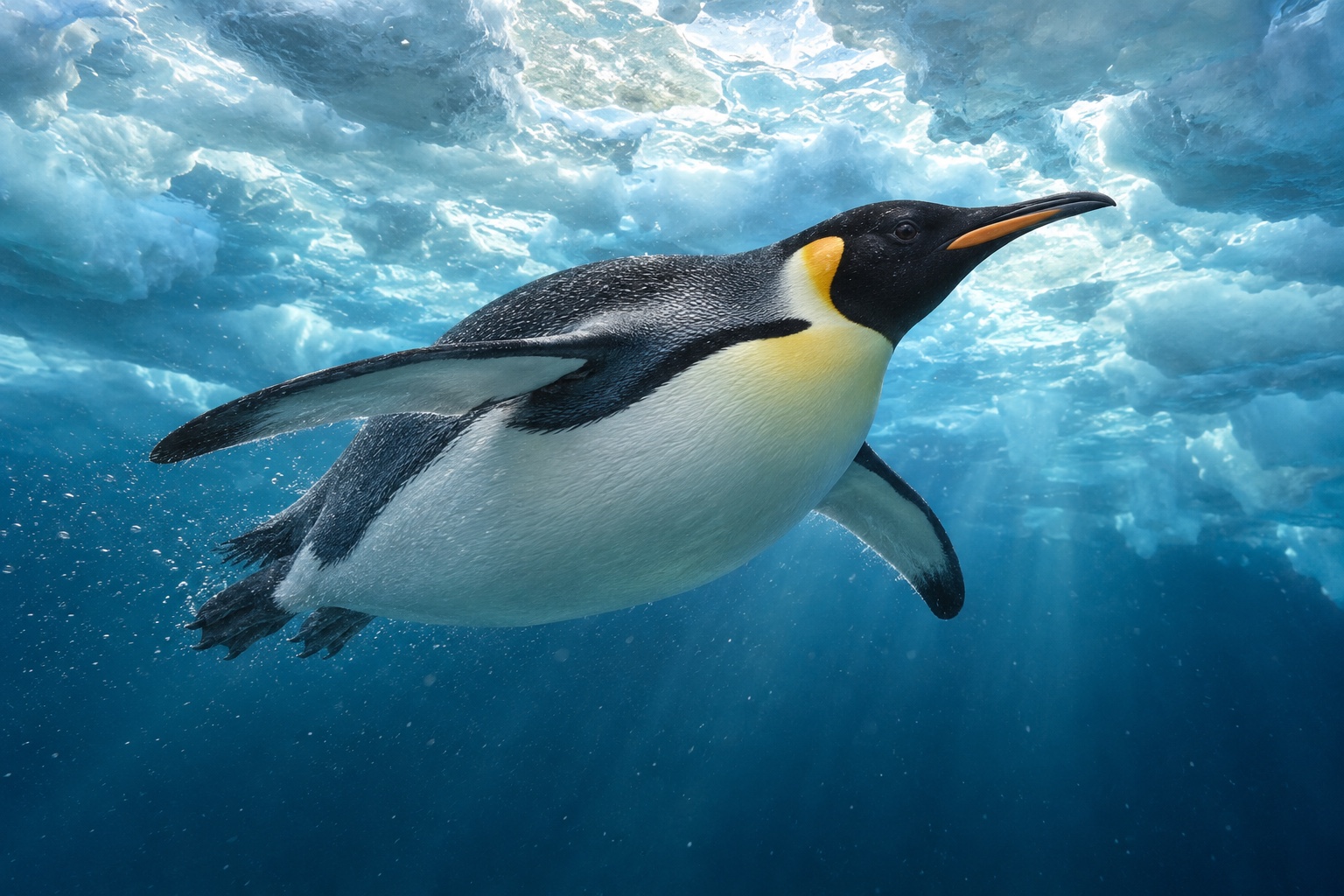 Emperor penguin ↗Bird · Antarctic seas
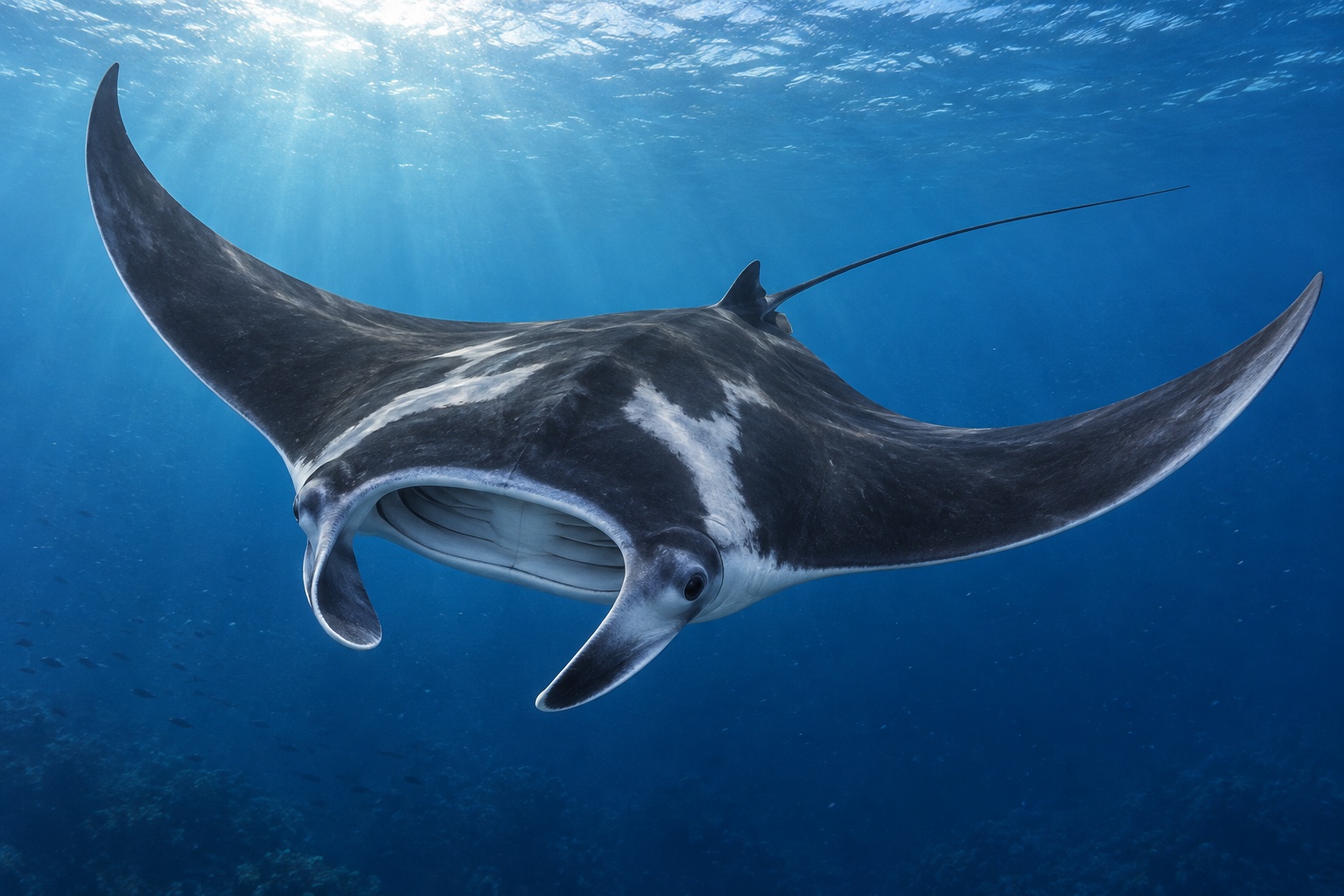 Oceanic manta ray ↗Fish · Tropical and subtropical seas
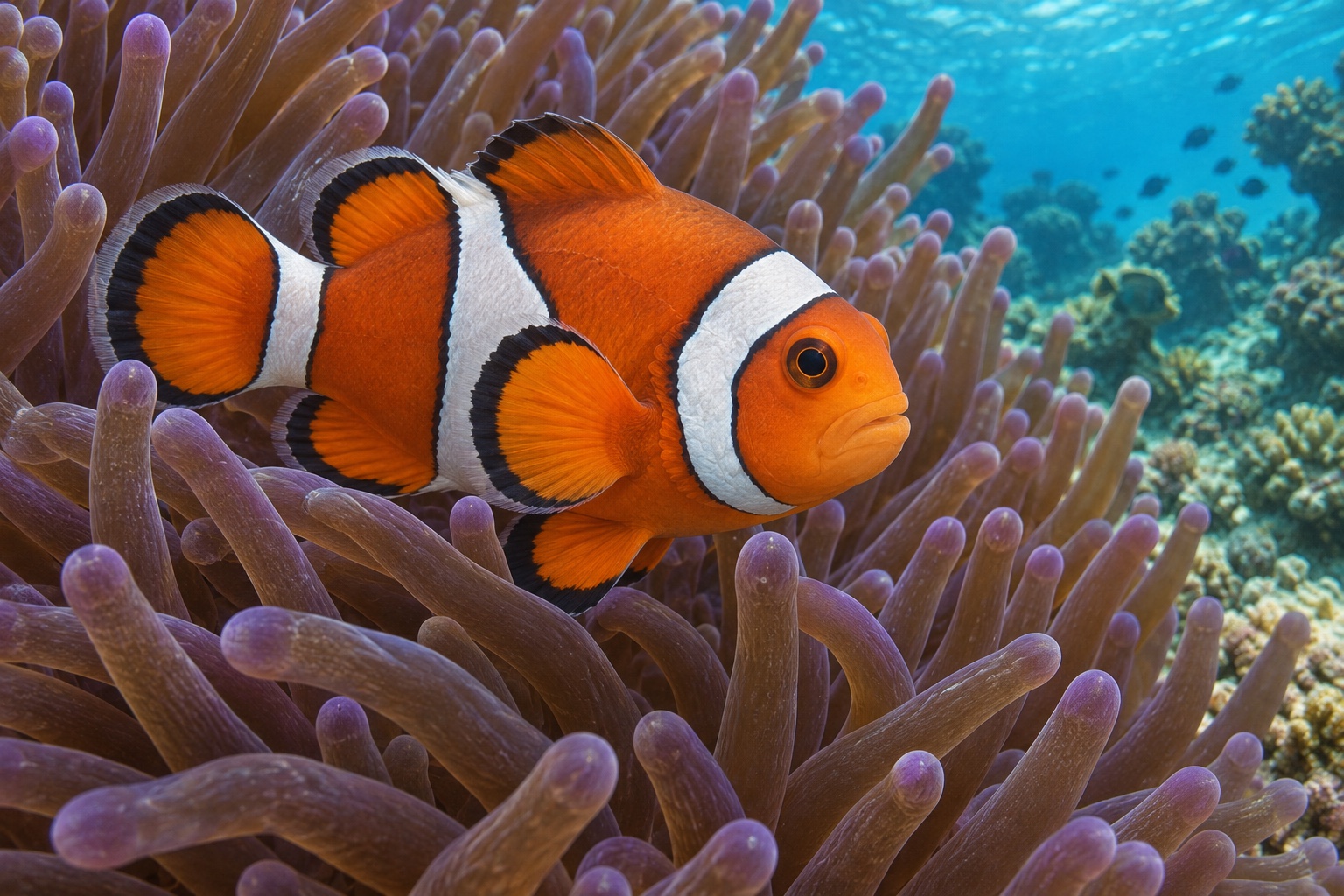 Clown anemonefish ↗Fish · Indo-Pacific reefs
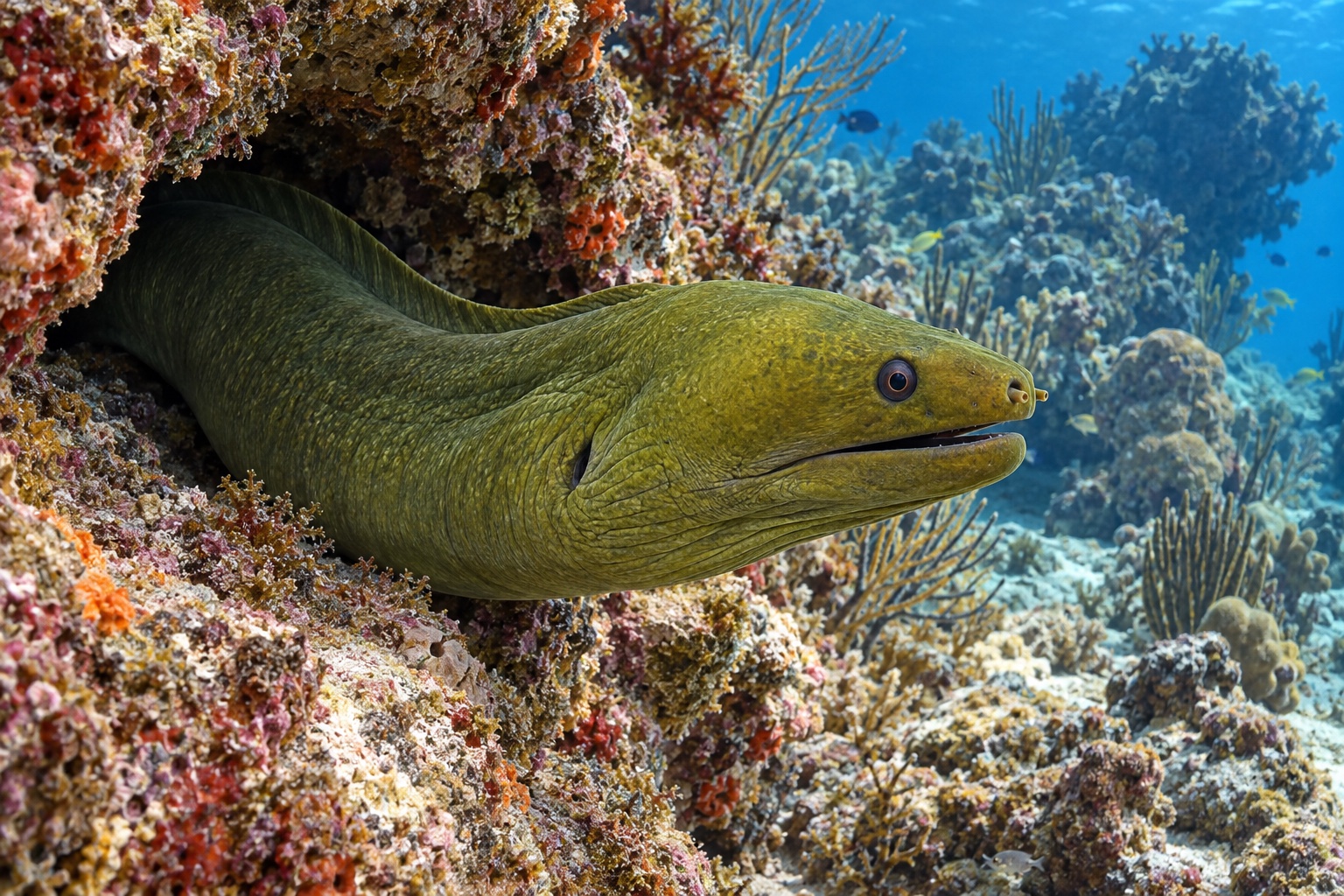 Green moray ↗Fish · Atlantic reefs and mangroves
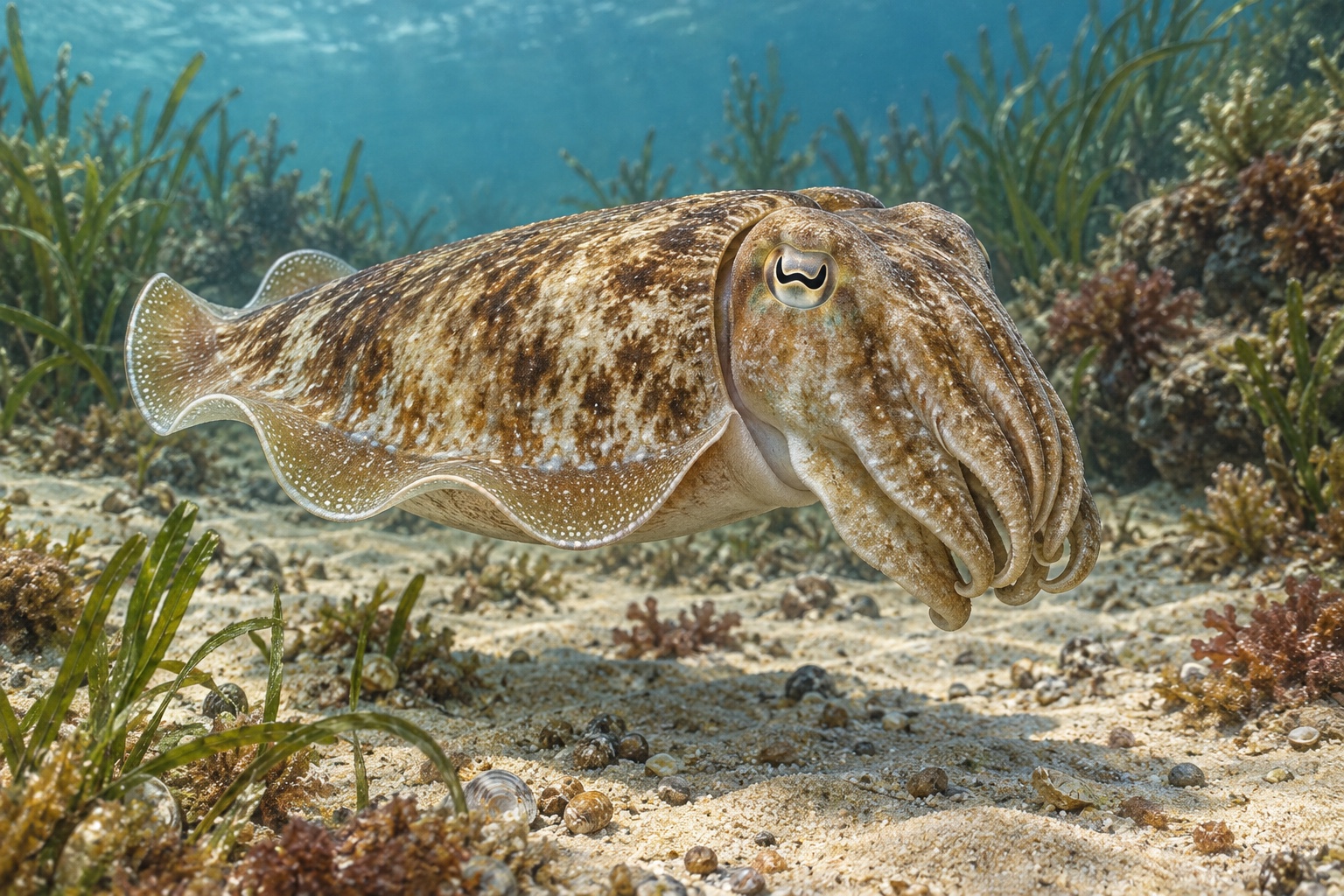 Common cuttlefish ↗Cephalopod · Coastal seabeds
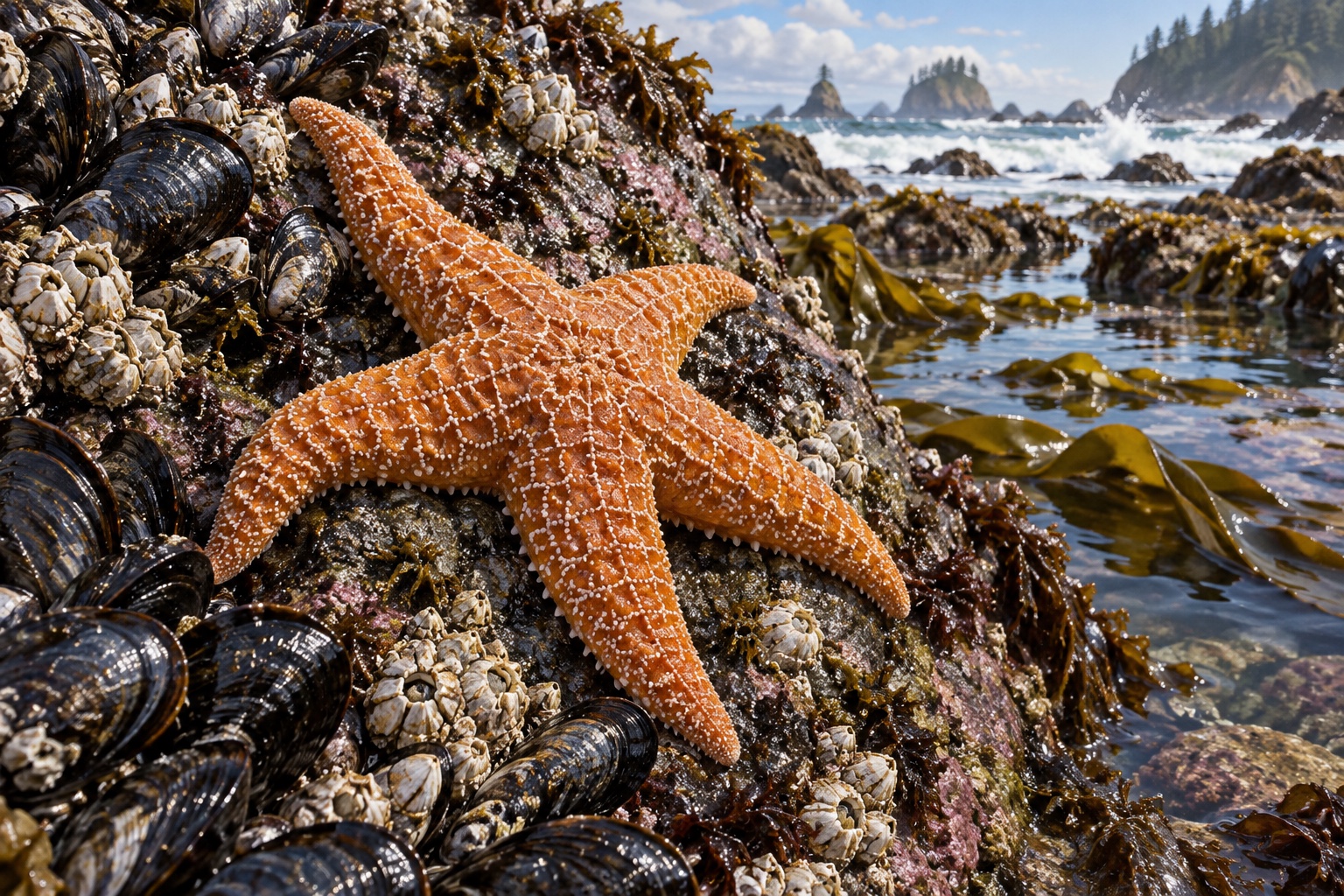 Ochre sea star ↗Echinoderm · Pacific rocky shores
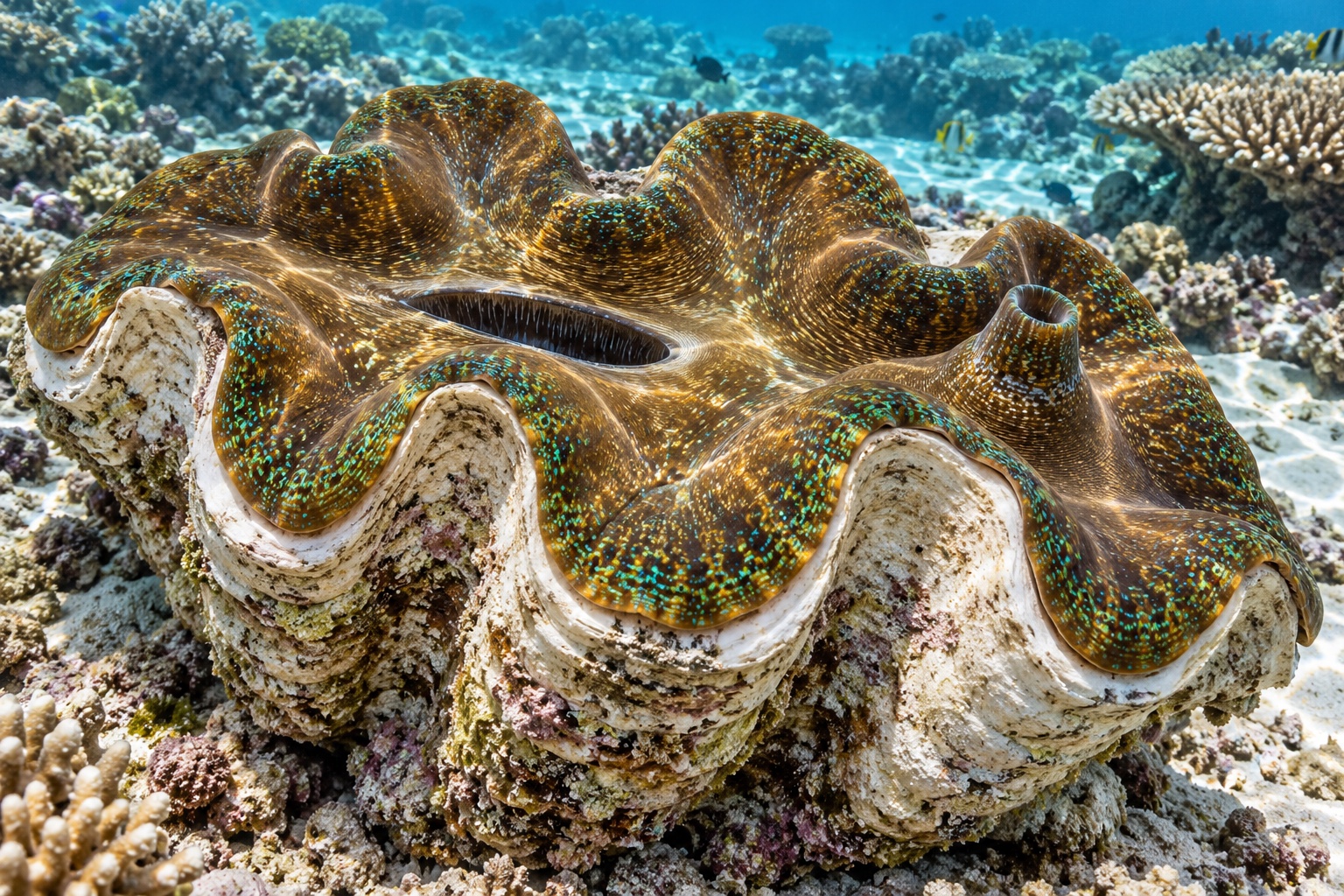 Giant clam ↗Bivalve · Sunlit tropical reefs
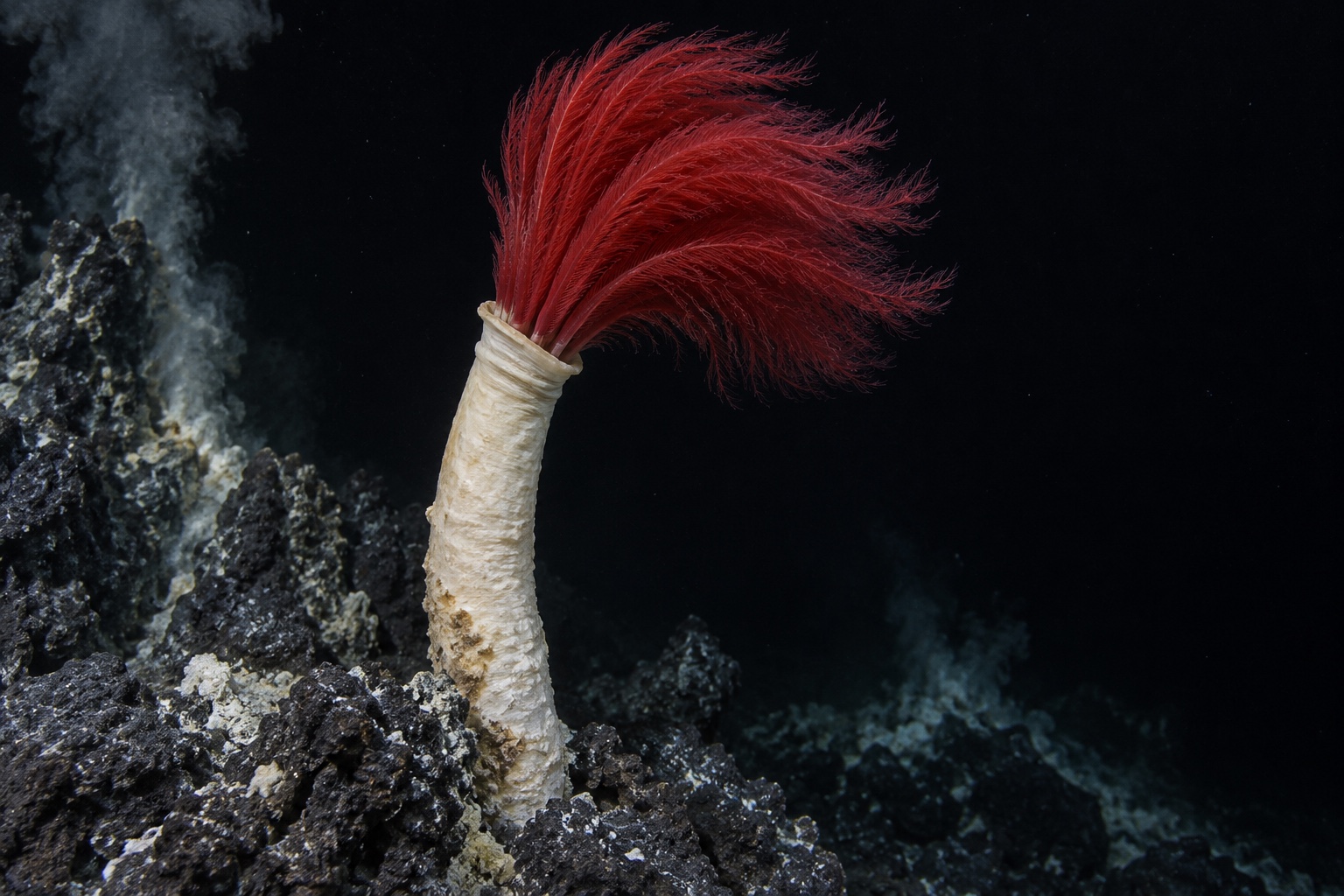 Giant tubeworm ↗Annelid · Deep-sea hydrothermal vents
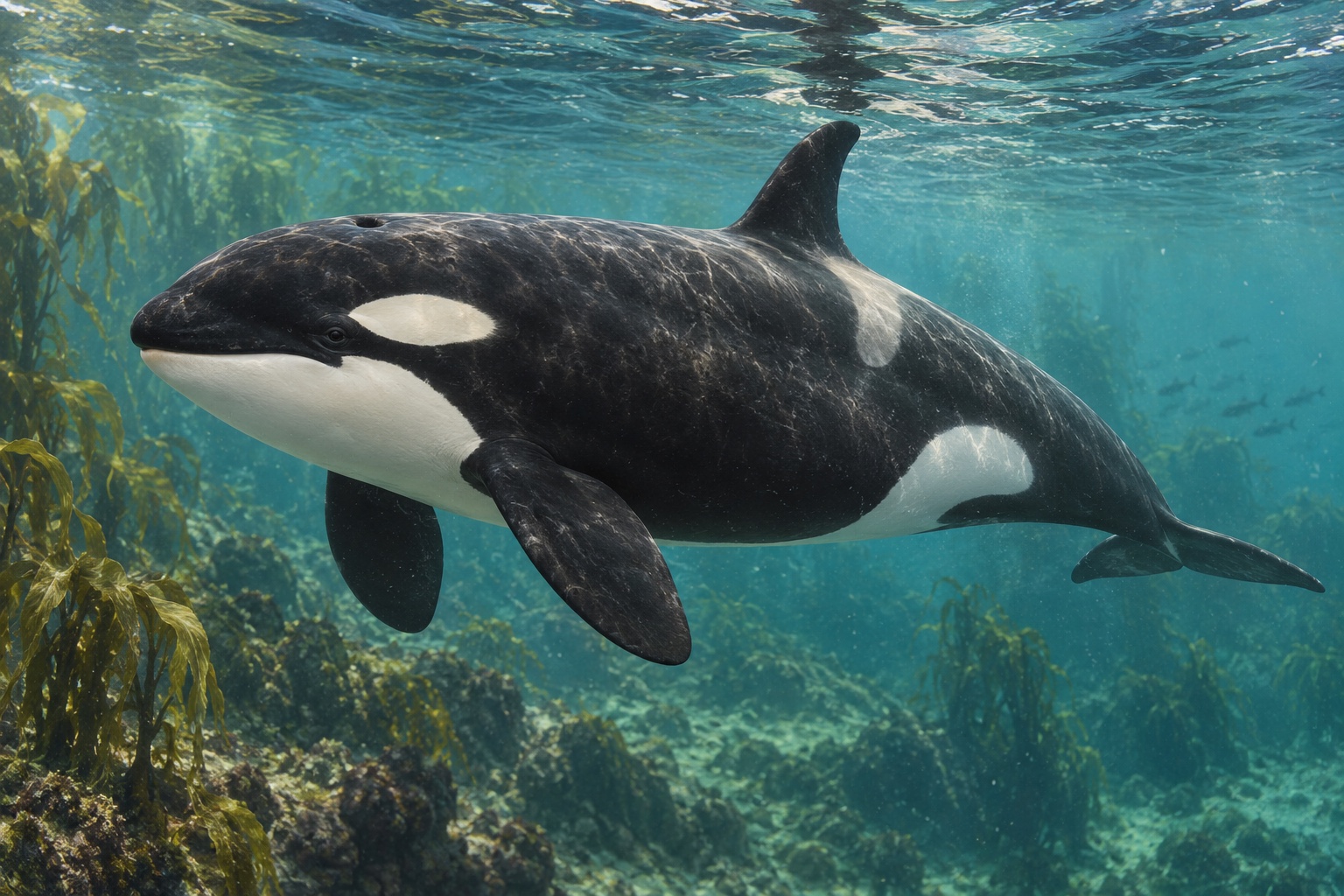 Killer whale (orca) ↗Mammal · Seas worldwide
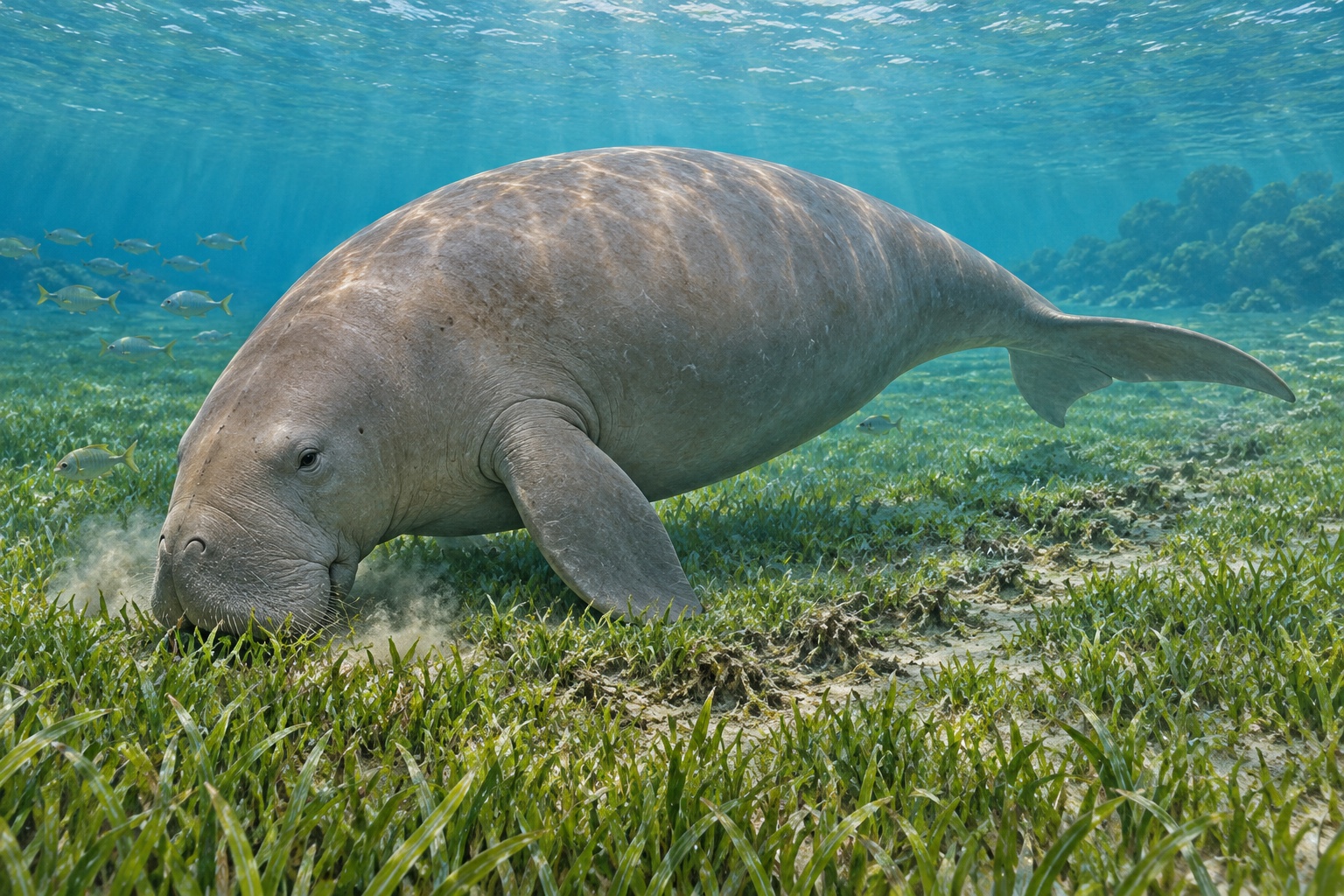 Dugong ↗Mammal · Seagrass meadows
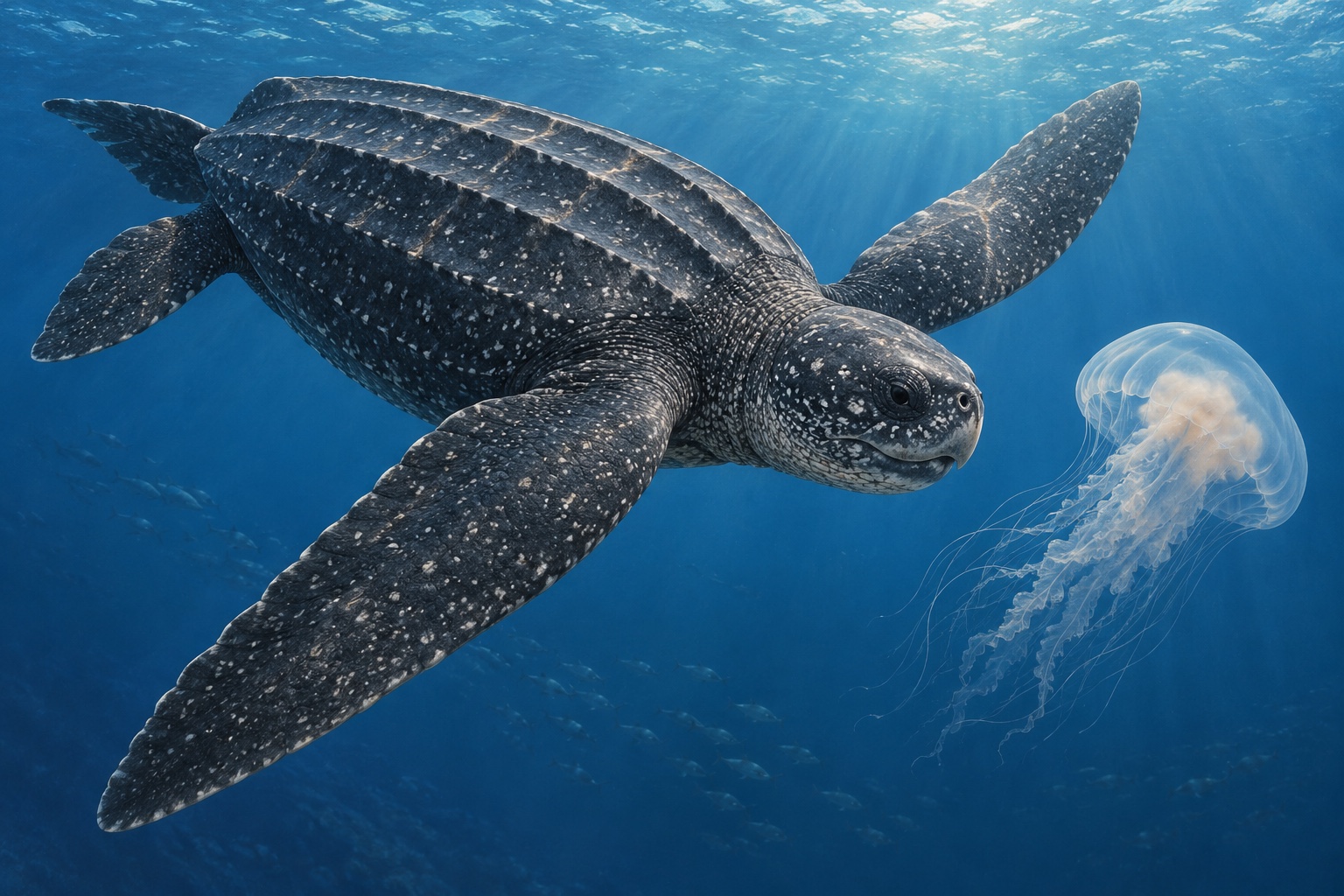 Leatherback sea turtle ↗Reptile · Open ocean
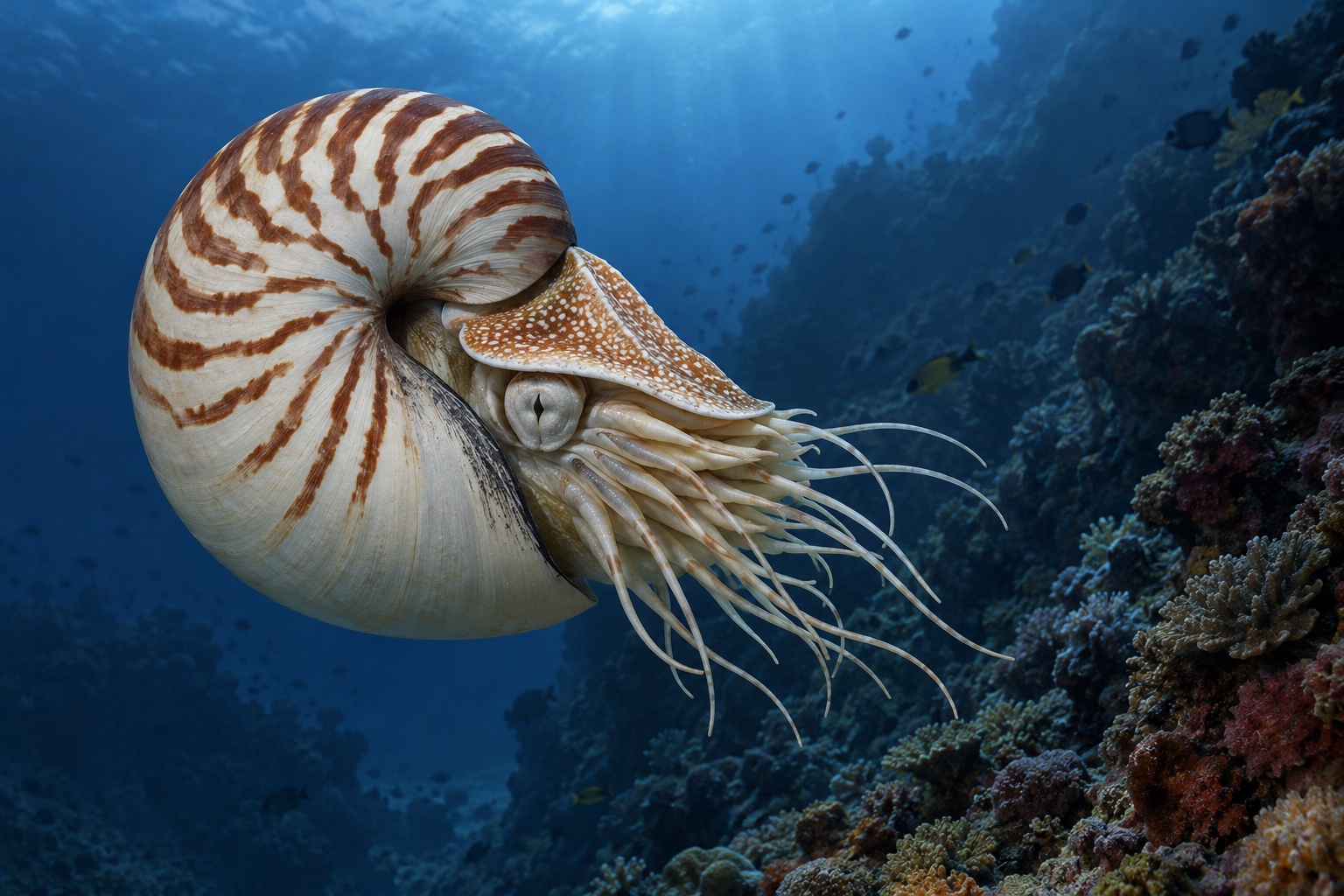 Chambered nautilus ↗Cephalopod · Indo-Pacific reef slopes
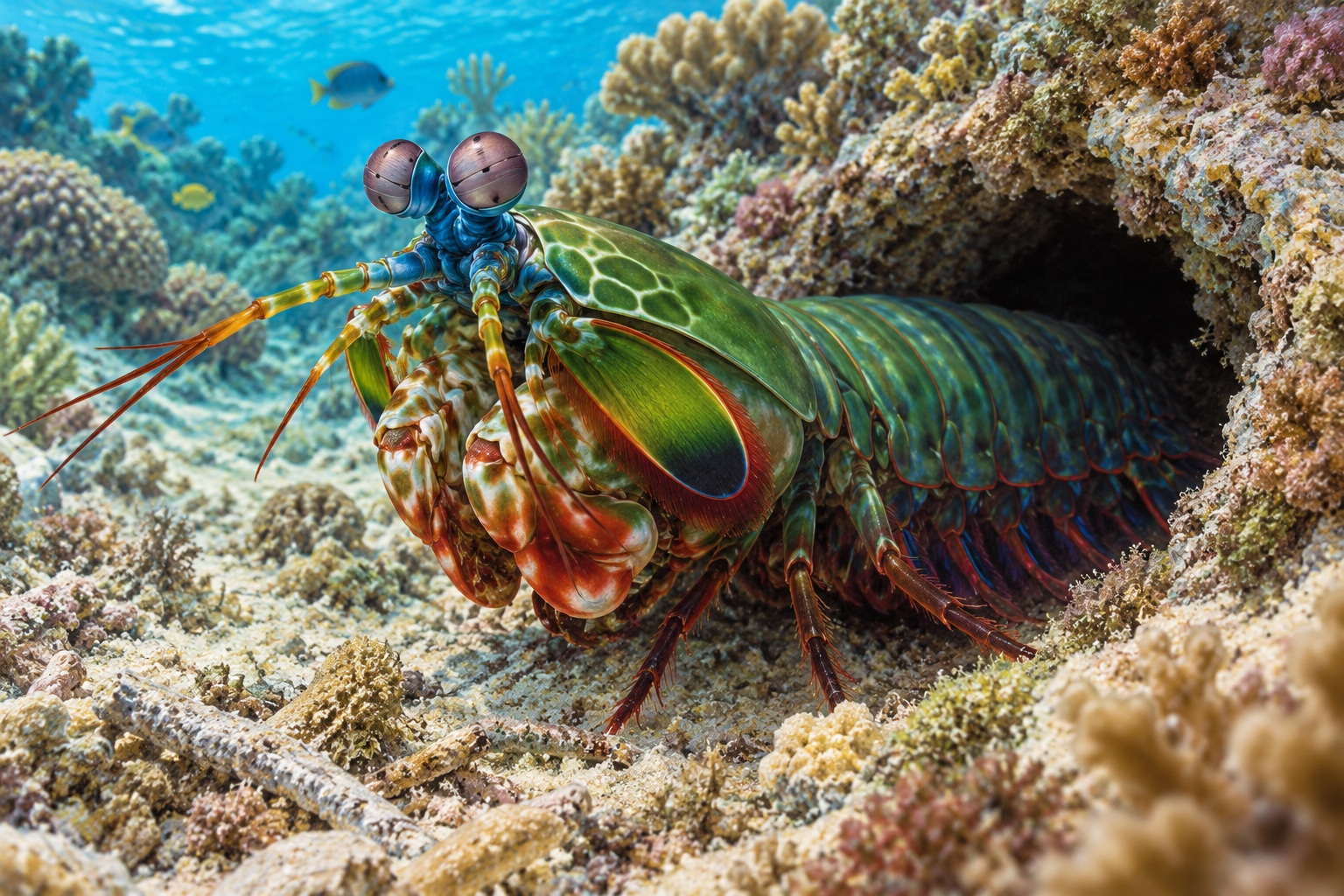 Peacock mantis shrimp ↗Crustacean · Tropical reefs
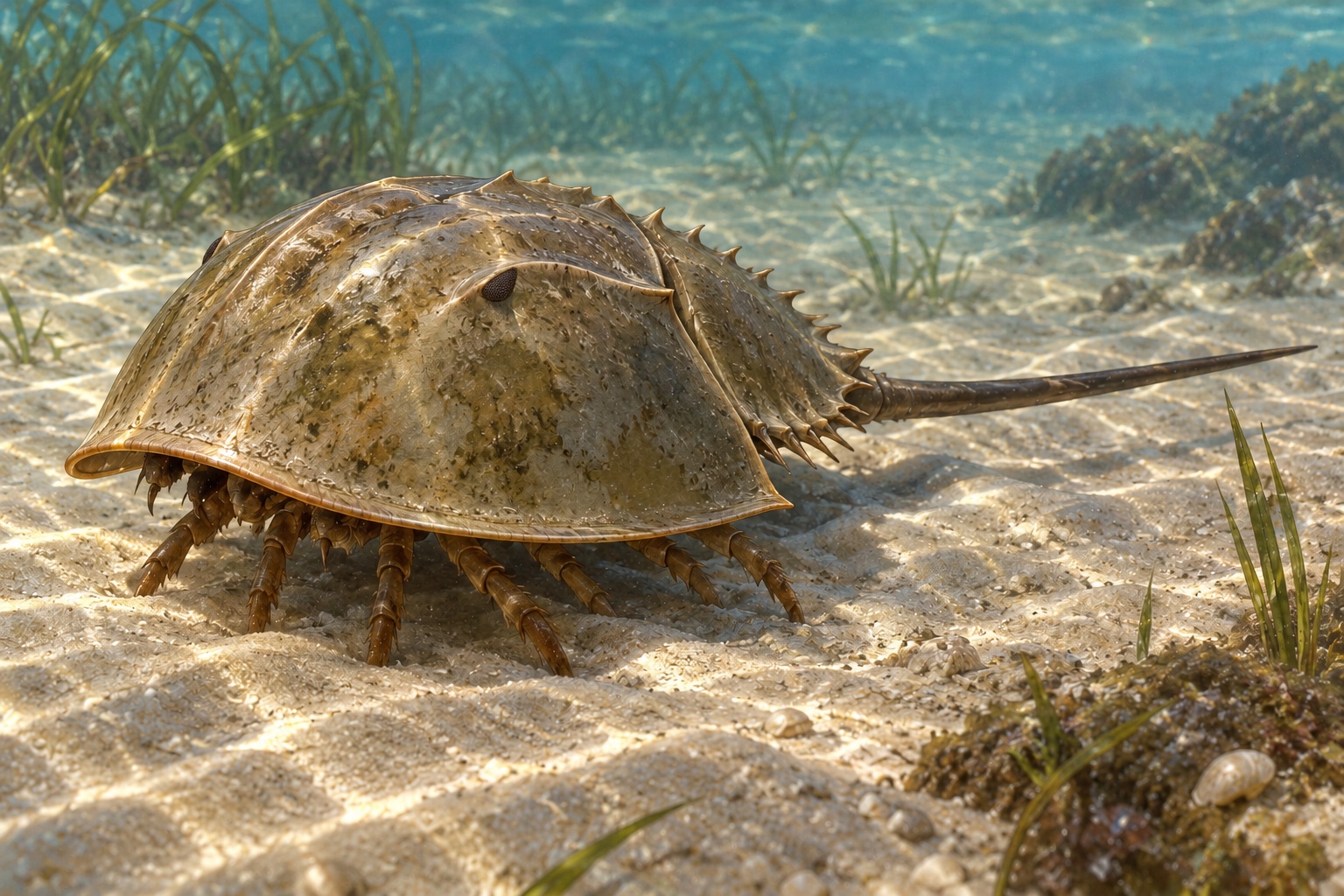 Atlantic horseshoe crab ↗Chelicerate · Atlantic coasts
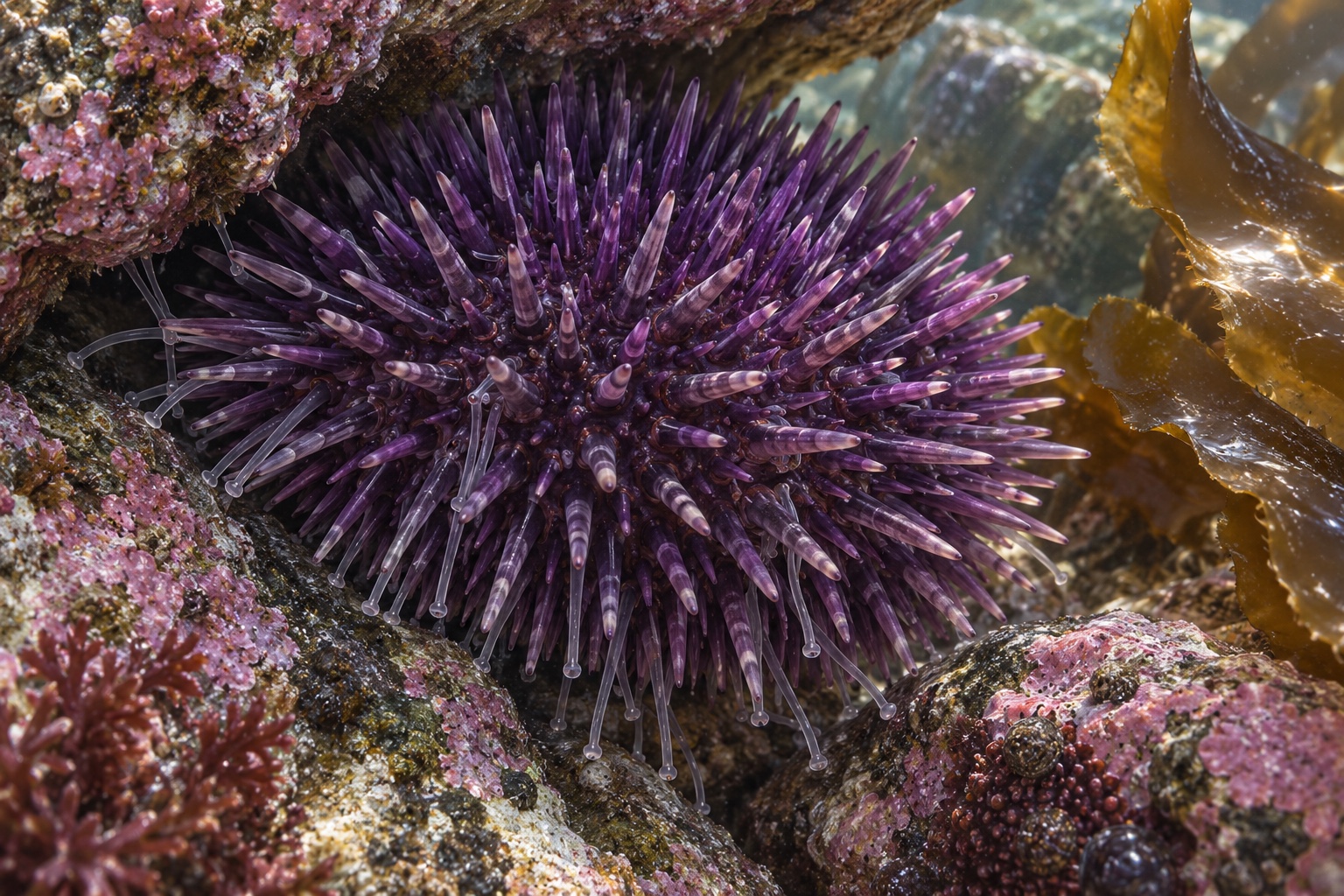 Purple sea urchin ↗Echinoderm · Pacific rocky reefs
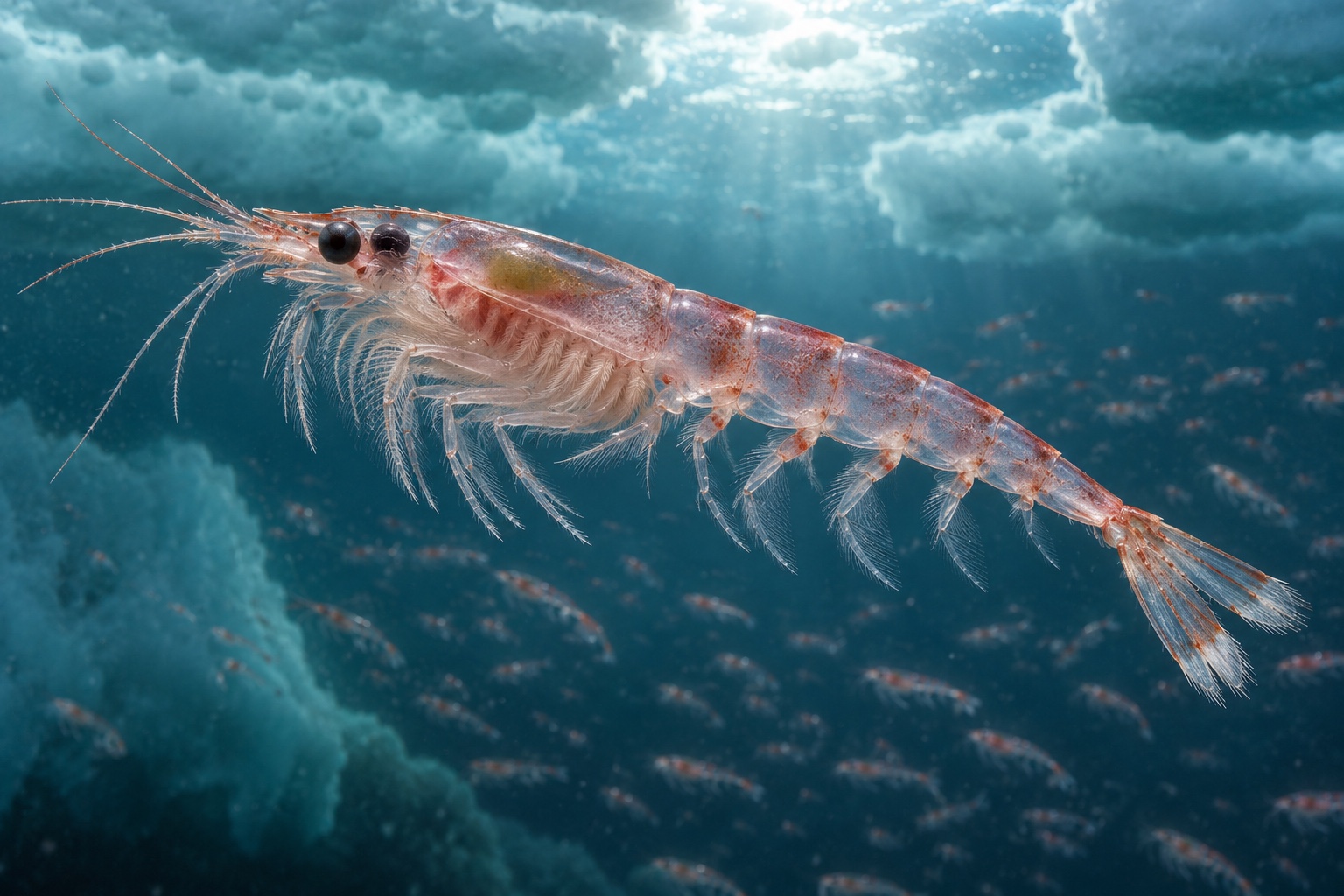 Antarctic krill ↗Crustacean · Southern Ocean
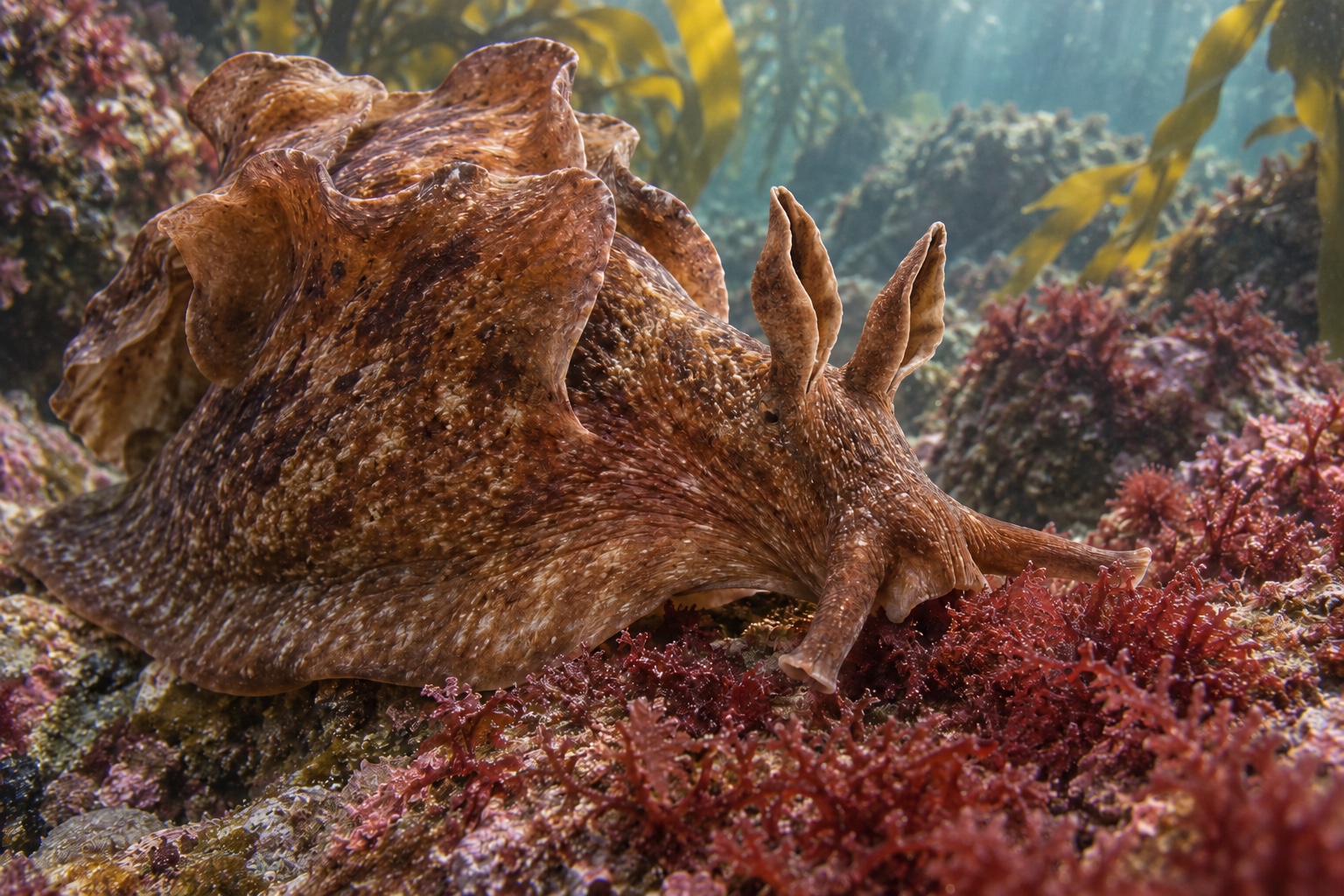 California sea hare ↗Gastropod · Pacific shallows
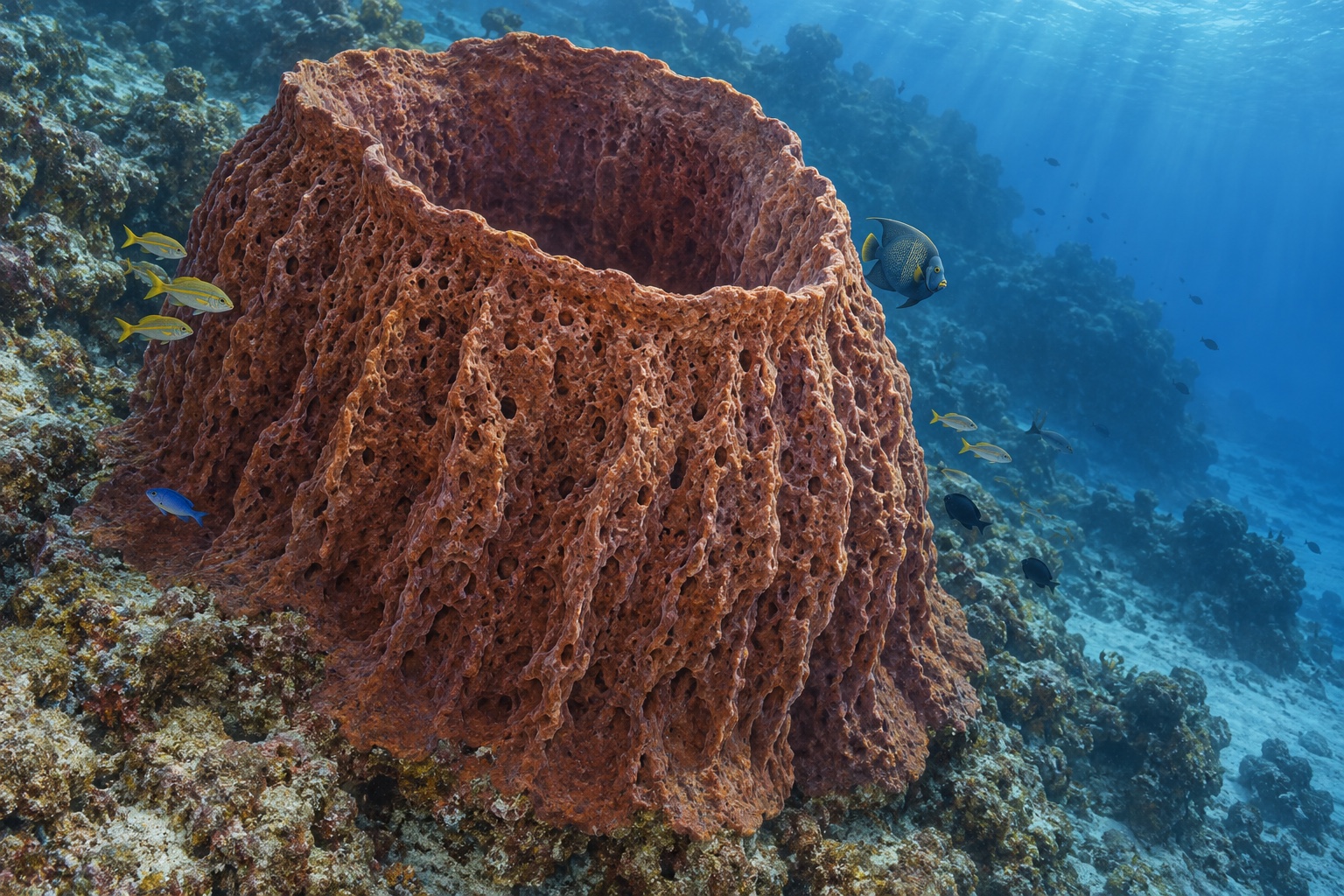 Giant barrel sponge ↗Sponge · Caribbean reefs
Collection artwork is AI-generated interpretation, not documentary photography. Image credits and scientific sources are available in the app.
Read source-linked lessons. Practice interpreting observations, separating a result from an explanation, and recognising uncertainty.
Compare animals side by side. Investigate ocean foundations and research activities with clearly labelled teaching data.
Save animals, track lessons you’ve read, and write your own learning notes. Export your notebook to keep a backup or move devices.
A FEW PRACTICAL DETAILS
OpenOcean runs in a modern web browser on desktop, iPhone, and iPad. You can add it to your Home Screen on supported devices. There is no separate App Store download.
Yes, after the app finishes its first download and shows that it is ready offline. The illustrated collection is a substantial download. Use Wi-Fi for the first visit and allow it to finish before going offline. External research links still need an internet connection. Browser storage can be cleared or evicted; export your notebook for safekeeping.
Curious children, teenagers, educators, and grown-ups. Start with an overview or explore the more detailed physiology and research lessons. It is a learning companion, not a certified school curriculum; younger readers may enjoy exploring with an adult.
No. They are learning aids. AI-generated illustrations and artist-built 3D models help explain ideas but are not specimens or research measurements. Documentary images are credited separately. Each lesson links to its sources and distinguishes established findings from open questions.
Notes, saved animals, and reading progress stay in this browser. OpenOcean does not require an account or include advertising or analytics. Use Notebook to export or import your notes; there is no automatic cloud sync.
Start with one animal. See where your curiosity takes you.
Open OpenOcean*4,220 lessons across thirty field guides; illustrations support related lessons and are not unique to every lesson.